
Home > Blog >
Creating high-quality educational content often feels incredibly expensive. Many educators spend a significant amount of money on post-production. However, digital blackboards for online teaching offer a more sensible alternative. They streamline the workflow and significantly reduce long-term costs.
In this education guide, we’ll focus on production efficiency and content sustainability. Let’s explore the world of cost-effective digital education together.
Educational creators face many hidden expenses today. High-end animation and professional editing suites cost a fortune. Furthermore, updating old videos usually requires a total reshoot. This cycle consumes both time and budget.
Many instructors struggle to balance quality and affordability. They need tools that offer professional results without the high price tag. This is where the digital blackboard for online teaching becomes essential. It acts as an all-in-one production studio.
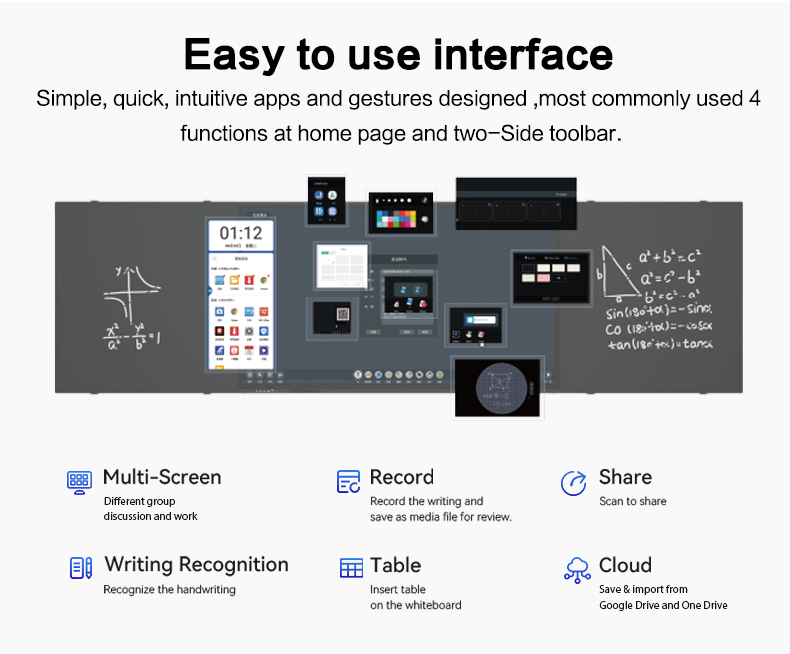
Efficiency is the primary driver of cost reduction. Traditional video creation involves many complex steps. You write a script, record, and then edit for hours.
A digital blackboard for online teaching allows for real-time annotation. You can draw, highlight, and explain concepts live. Consequently, you spend less time on motion graphics. The board provides the visual flair naturally.
You no longer need five different software tools. Most digital boards include built-in recording features. You can capture your screen and voice simultaneously. This consolidation saves you hundreds of dollars in monthly fees.
Static slide decks die quickly in the digital age. However, dynamic blackboard sessions have a longer shelf life. They feel more organic and personal to the viewer.
Do you need to update a specific formula? With a digital blackboard, you can record a quick “patch.” You simply match the board’s background and font. This process is much cheaper than hiring a film crew.
One long lecture can become ten short clips. You can easily crop blackboard highlights for TikTok or YouTube. These “micro-lessons” drive traffic back to your main course. Therefore, you get more value from a single recording session.
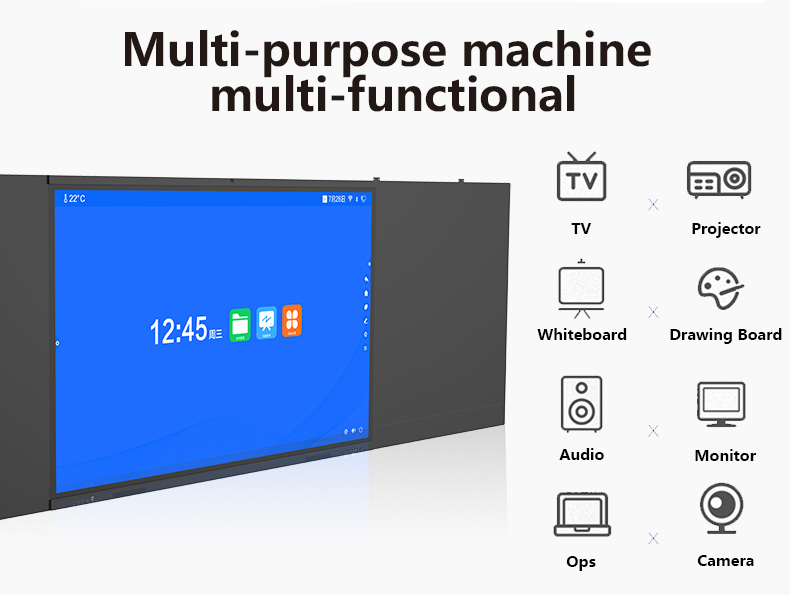
You might think professional setups require expensive cameras. Surprisingly, a digital blackboard for online teaching lowers hardware needs.
No more green screens: The board serves as your primary visual.
Simplified lighting: You focus on the board, not a complex set.
Lower PC specs: Real-time drawing uses less power than 3D rendering.
High churn rates increase your marketing costs. If students leave, you must spend more to find new ones. Interactive teaching keeps students engaged for longer periods.
A digital blackboard for online teaching mimics a real classroom. Students follow your hand movements and logic flow. This clarity leads to better grades and fewer refunds. Satisfied students provide free word-of-mouth marketing.
Think of your recordings as long-term assets. Over time, you build a massive library of lessons. These lessons continue to earn revenue for years. The initial cost of the board becomes negligible.
Time is your most valuable resource in business. Every hour spent editing is an hour not spent teaching. Digital boards automate the visual storytelling process.
You can go from an idea to a finished video in minutes. Fast deployment allows you to react to market trends. You can release a “breaking news” lesson before your competitors. Speed often determines success in the online education market.
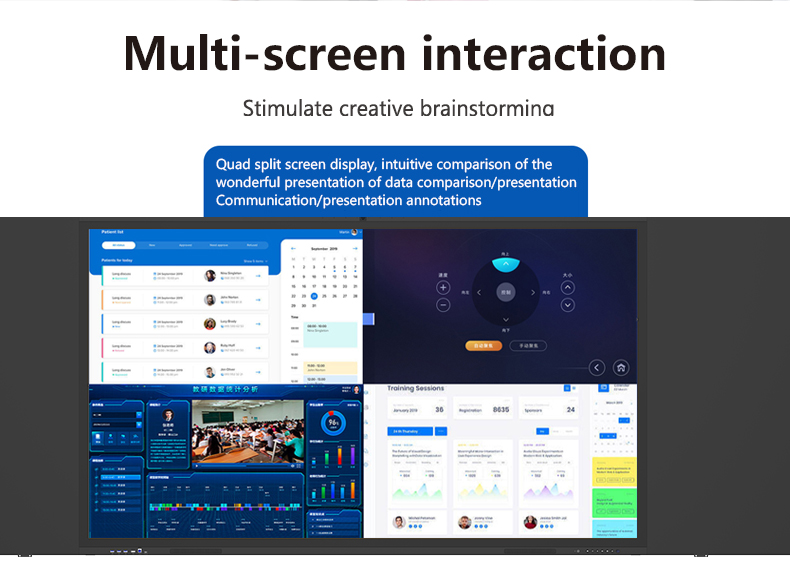
| Expense Category | Traditional Video Production | Digital Blackboard Method |
| Update Costs | High (Requires reshoot) | Low (Simple overlay) |
| Production Time | 10+ hours per lesson | 1 – 2 hours per lesson |
Investing in a QDE digital blackboard is a wise move. It reduces the need for expensive editors and complex software. You create better content in a fraction of the time. In the long run, your cost per student drops significantly.
 Hot News