
Home > Blog >
Digital transformation is sweeping through schools in 2026. Consequently, many classrooms now feature large digital displays. However, parents often worry about rising myopia rates. They ask if screens hurt their children’s eyes.
Choosing between an electronic smart blackboard and an LED screen is vital. Both tools offer great interactive features for teachers. But their impact on vision differs significantly. This guide explores the science of eye health. We will help you select the safest technology for students.
Standard LED screens are very bright and colorful. Unfortunately, this brightness comes with specific vision risks. Most LEDs emit a high amount of blue light. This light can cause digital eye strain over time.
Furthermore, traditional screens often suffer from intense glare. Glare forces the eye to work much harder. As a result, students may experience headaches or blurred vision. Long-term exposure might even disrupt their natural sleep cycles. Therefore, schools must look for better display alternatives.
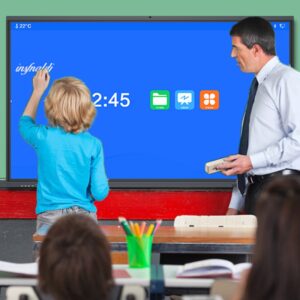
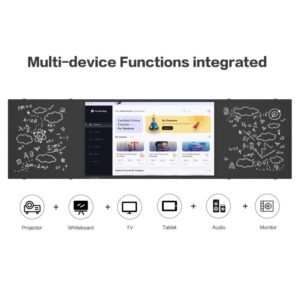
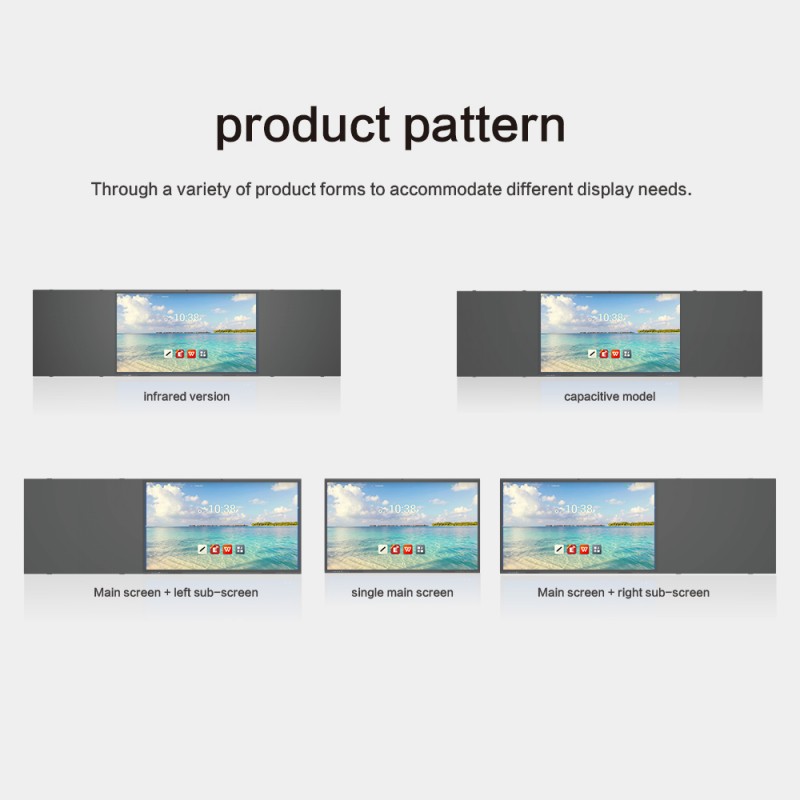
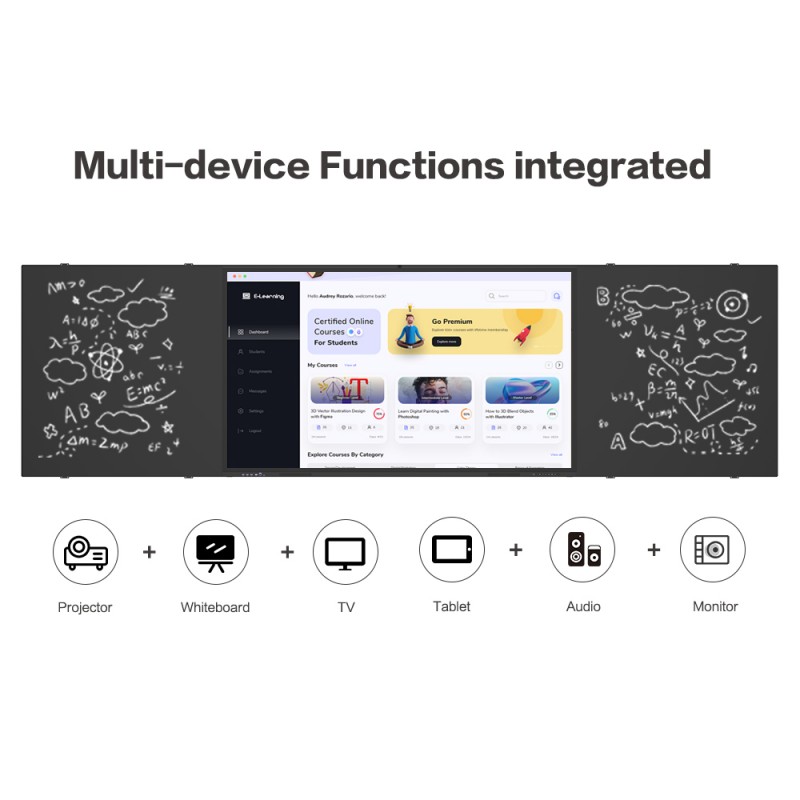
An electronic smart blackboard uses a more integrated design. It combines a traditional writing surface with a digital core. This hybrid approach prioritizes both function and health.
Most smart blackboards feature nano-etched glass. This surface diffuses light instead of reflecting it. Consequently, students can see clearly from any angle. They no longer squint to see the teacher’s notes. This reduced strain protects their vision during long lessons.
Modern blackboards use zero-gap “full-bonding” between layers. This eliminates internal reflections between the glass and panel. It creates a more natural, paper-like viewing experience. The image appears right on the surface. Thus, the eyes focus more naturally and easily.
This table compares the two most popular classroom solutions.
| Feature | Standard LED Interactive Screen | Electronic Smart Blackboard |
| Light Source | Direct Backlit LED | Diffused LED Backlight |
| Blue Light Level | Often High | Low Blue Light Certified |
| Surface Reflection | High (Glossy) | Very Low (Matte/Nano) |
| Writing Feel | Slippery/Glassy | Natural/Friction-based |
| Eye Fatigue | Higher after 1 hour | Significantly Lower |
Not all digital boards are created equal. You must look for specific health certifications. Many electronic smart blackboard models carry TÜV Rheinland marks. These certificates prove the device filters harmful light.
Lower blue light protects the retina from damage. It also reduces “visual noise” that tires the brain. Moreover, these boards often include flicker-free technology. Flickering is invisible but causes significant neural fatigue. Choosing a certified board ensures a safer learning environment.
Brightness control is essential for student eye health. A screen that is too bright causes fatigue. However, a dim screen makes reading very difficult.
An electronic smart blackboard usually offers “intelligent brightness.” It adjusts automatically based on the room’s light. During a sunny morning, it boosts the backlight. On a rainy afternoon, it softens the glow. This constant adjustment maintains a comfortable contrast level. It mimics how we read physical books in the sun.
Hardware is only one part of the solution. Schools must also promote healthy viewing habits. Even a great electronic smart blackboard requires breaks.
Follow the 20-20-20 rule: Look away every 20 minutes.
Maintain proper distance: Sit at least two meters away.
Ensure ambient lighting: Never use a board in total darkness.
Encourage outdoor time: Natural sunlight prevents myopia progression.
Combining good habits with safe tech is the best strategy. This holistic approach ensures students stay healthy and sharp.
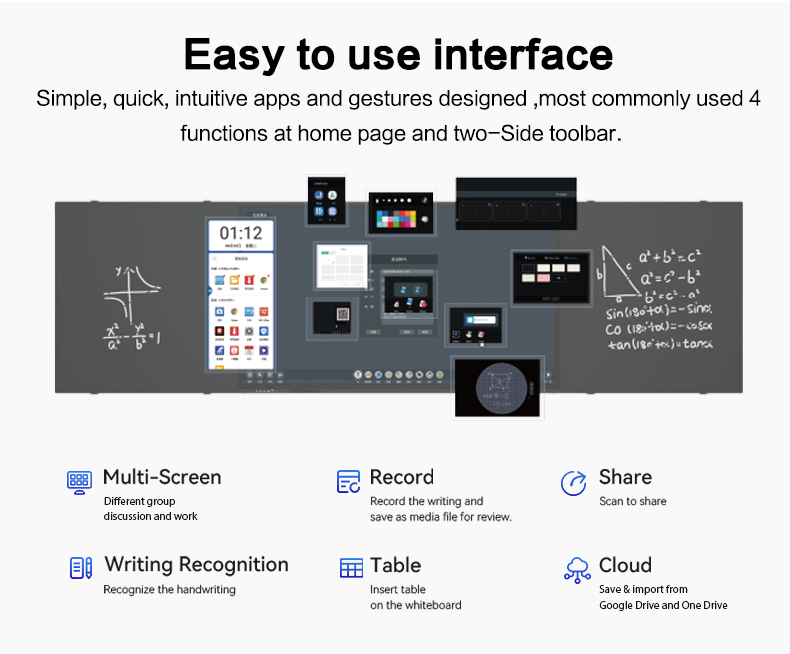
In summary, the Nano smart blackboard is the superior choice. It offers better glare protection than standard LED screens. Its specialized glass reduces strain and blocks blue light.
Furthermore, it preserves the traditional writing experience. This balance is vital for modern, healthy classrooms. Protecting student vision is a long-term investment. Schools must choose hardware that supports health, not just features. The future of education should be clear and strain-free.
 Hot News