
Home > Blog >
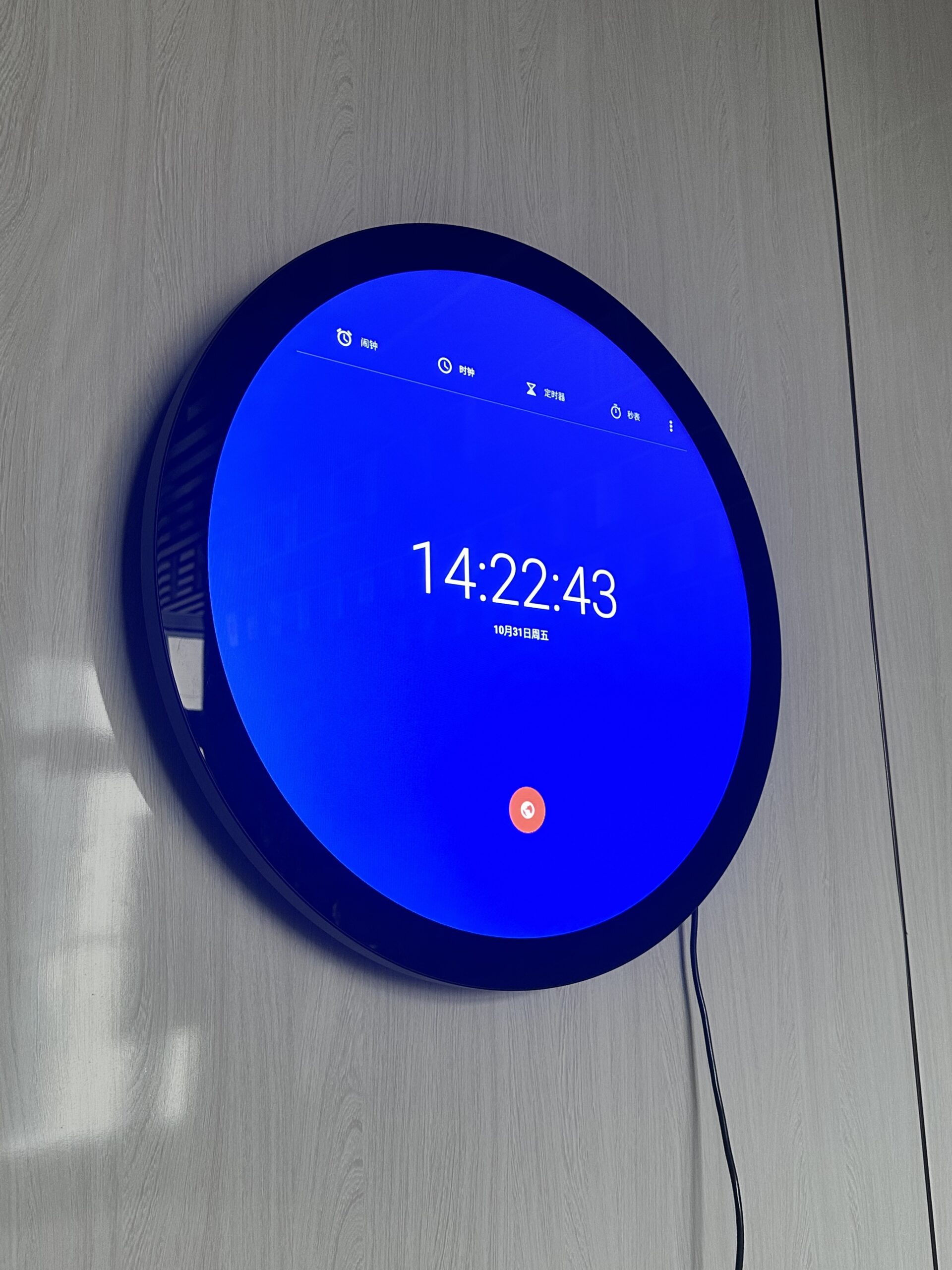
Choosing the right round LCD display starts with five decisions: screen size, image quality, content management, installation, and customization. For wholesalers, retailers, and project integrators, the best solution balances commercial-grade components with practical operating costs. A circular LCD screen can enhance product presentation in luxury retail, premium bars, and boutique hotels. However, buyers should match its specifications to the installation environment before placing bulk orders. The featured series offers three standard sizes, custom options, an Android operating system, and Refee Cloud content management support.
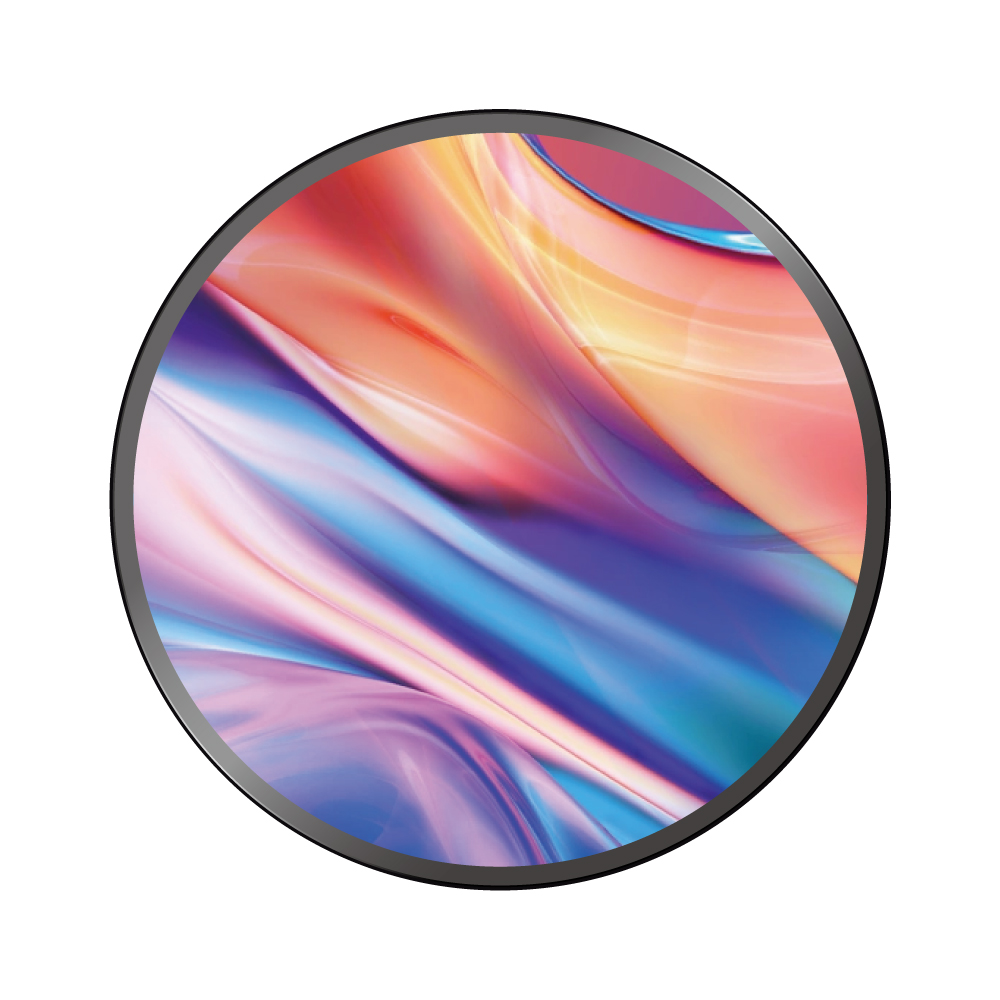
Circular screens suit projects that benefit from distinctive visual presentation. For example, retailers can highlight product details, while hospitality venues can display menus or promotional content. Meanwhile, branded installations can use circular layouts to reinforce a consistent visual identity.
The featured round LCD display series offers screens measuring five inches, seventeen point three inches, and twenty-three point six inches. Custom sizes are also available. Its one-to-one aspect ratio supports a true circular format.
A compact display may suit counters or product showcases. Larger models can provide more space for menus, promotional graphics, and brand visuals. Therefore, assess viewing distance, mounting position, and available space before selecting a size.
Also, confirm the overall dimensions and active display area. These details help designers plan cutouts, brackets, and surrounding decorative elements accurately.
Browse Round LCD Display Products to explore available screen formats and customization options.
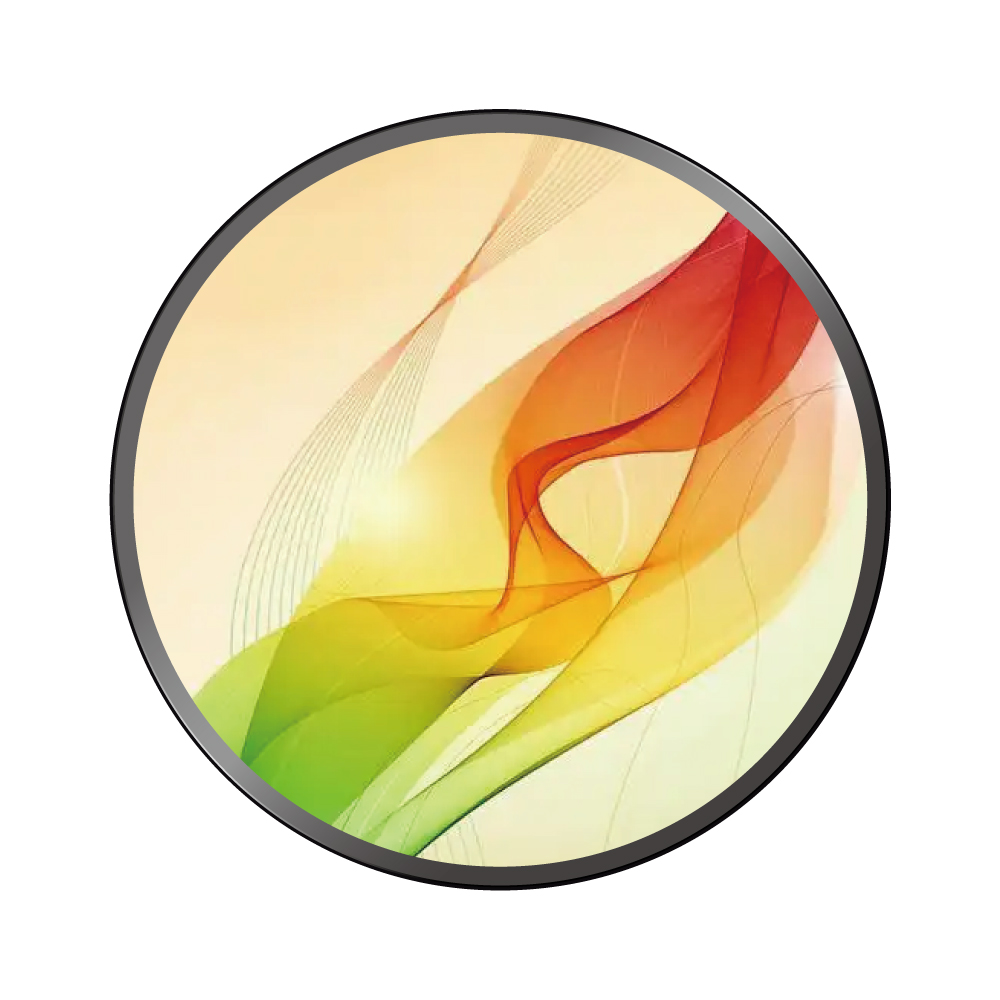
Display quality affects how customers perceive digital content. The featured series uses commercial-grade IPS A-plus panels with wide viewing angles. This can support viewing from different positions in suitable retail and hospitality environments.
Before ordering, request the native resolution, brightness, contrast ratio, and supported colors. Then assess these specifications against the venue’s lighting conditions. Bright storefronts may require different brightness levels from softly lit hotel interiors.
Content design matters as well. Circular layouts need carefully positioned text, logos, and images. Consequently, previewing the intended content can help prevent awkward cropping and improve readability.
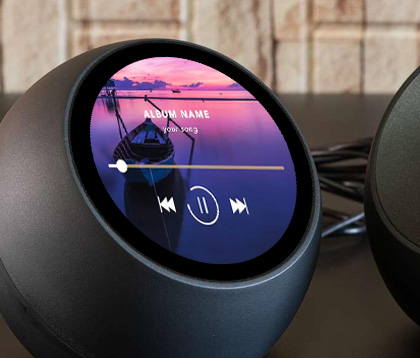
A round LCD display may need frequent promotional updates. The featured series supports a built-in Android operating system and Refee Cloud content management. It also includes Wi-Fi and Bluetooth connectivity.
Cloud-based management can help teams update compatible displays remotely. However, buyers should verify the exact software features, licensing terms, and network requirements. They should also confirm whether multiple screens can share a centralized management workflow.
Read the Display Integration Technical Guide for planning connectivity, content delivery, and installation requirements.
A clear specification checklist helps distributors compare suppliers consistently. The following table separates listed features from details that still require confirmation.
| Evaluation item | Featured series | Procurement check |
|---|---|---|
| Standard sizes | Five, seventeen point three, and twenty-three point six inches | Confirm availability and custom sizing |
| Display shape | Circular, one-to-one aspect ratio | Verify active area and outer dimensions |
| Panel | Commercial-grade IPS A-plus | Request resolution, brightness, and contrast |
| Operating system | Built-in Android | Confirm version and hardware configuration |
| Content management | Refee Cloud CMS support | Check licensing and remote control functions |
| Connectivity | Wi-Fi and Bluetooth | Verify supported standards |
| Customization | Full customization available | Define branding, enclosure, and software needs |
| Certifications | Not specified | Request applicable certificates and test reports |
For B2B buyers, competitive pricing matters alongside manufacturing consistency and after-sales support. Therefore, assess the full project cost rather than comparing unit prices alone. Include installation accessories, packaging, software costs, lead times, and warranty terms.
Custom configurations can help align the display with a brand’s identity and installation design. Before production, confirm the screen size, operating system, housing, interface, and content management requirements. Where practical, request drawings or samples for review.
Additionally, ask the supplier about quality inspection procedures and repeat-order consistency. Clear expectations can reduce procurement uncertainty and support smoother project delivery.
The featured series lists five-inch, seventeen-point-three-inch, and twenty-three-point-six-inch options. Custom sizes may also be available, subject to supplier confirmation.
The series supports Refee Cloud content management. Confirm software licensing, network requirements, and available remote control functions before ordering.
The product description specifies a built-in Android operating system. Buyers should confirm the exact version and hardware configuration for their selected model.
Verify display specifications, customization scope, sample availability, minimum order quantity, lead time, warranty terms, and applicable certifications. A detailed quotation helps compare the total cost more accurately.
The series supports customization. Discuss logo placement, enclosure design, screen size, software configuration, and packaging with the supplier before production.
 Hot News