
Home > Blog >
In the fast-paced world of visual marketing, bulk is officially out. Modern brands now demand sleekness, efficiency, and high-impact aesthetics. This year, ultra-slim digital signage has moved from a luxury option to an industry standard. Businesses are swapping heavy, boxy enclosures for refined, thin profiles that blend seamlessly into urban architecture. But why is this shift happening so rapidly? It is not just about looking good. It is about maximizing space and capturing attention in a cluttered environment.
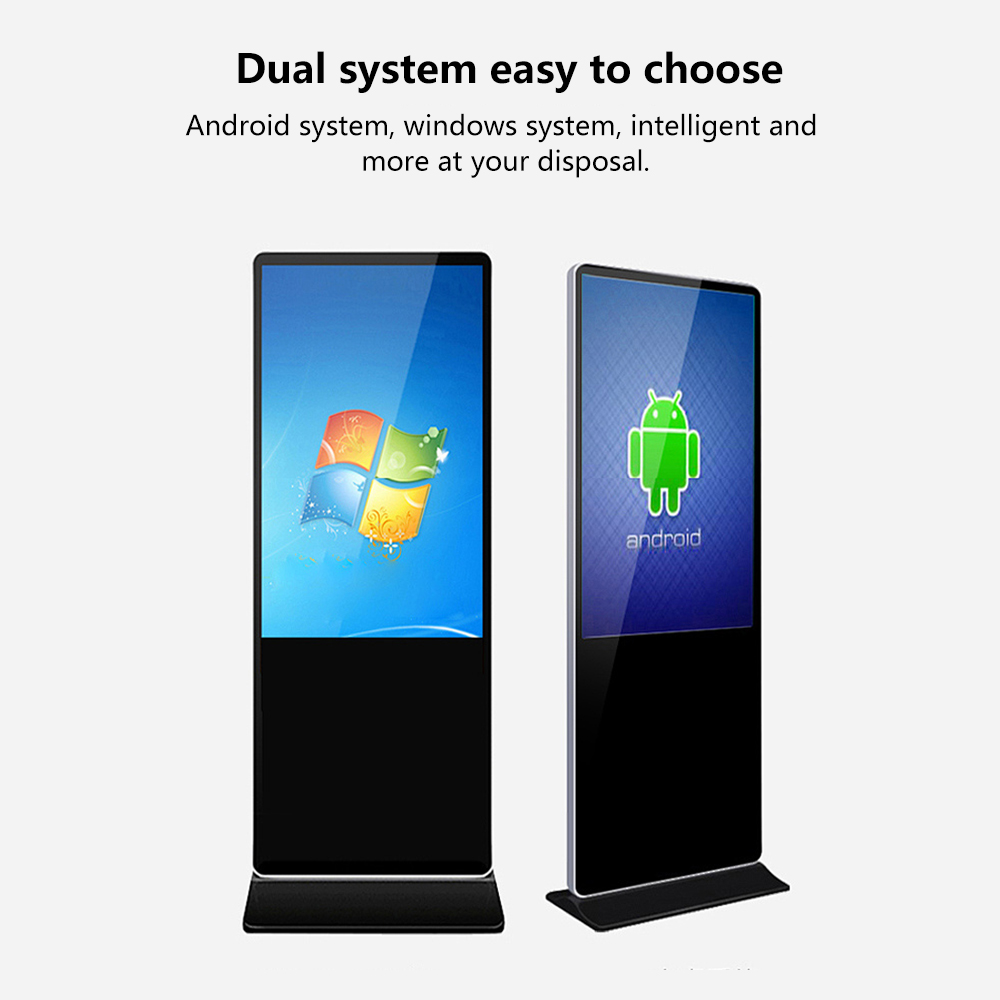
For years, exterior digital signage meant massive steel frames and deep cooling cabinets. These units were often eyesores that required complex structural support. Today, engineering breakthroughs have trimmed the fat. New thermal management systems allow for thinner builds without sacrificing brightness. These slim displays offer a premium feel that enhances the surrounding environment rather than dominating it. From luxury retail storefronts to smart city kiosks, the slim profile is the new face of outdoor advertising.
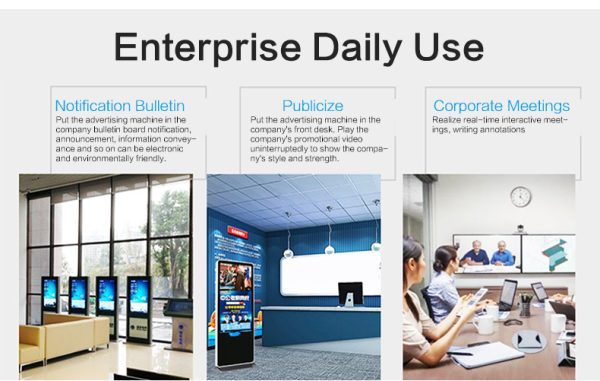
Unmatched Aesthetic Appeal: A slim screen looks like a high-end smartphone for the city. It signals that your brand is modern and tech-savvy.
Flexible Installation Options: Lighter, thinner units are easier to mount on walls or hang from overhangs. This reduces the need for heavy-duty structural reinforcements.
Lower Operational Costs: Many slim models use advanced LED technology that consumes less power. They also require less material to manufacture, which aligns with sustainable business practices.
Higher Engagement Rates: Research shows that sleek, integrated displays feel more natural to consumers. People are more likely to interact with a screen that looks like a part of the architecture.
Better Weather Resistance: Modern ultra-slim designs often feature fully sealed “all-in-one” modules. These provide superior protection against dust and moisture compared to older, bulky vented cabinets.
Investing in exterior digital signage is a major capital expenditure. Naturally, every CFO wants to see a clear Return on Investment (ROI). The ultra-slim category delivers this through both cost savings and revenue growth.
The initial price tag is only one part of the equation. Bulky signs often incur hidden costs during shipping and installation. Because slim units are lighter, they cost less to transport. They also require fewer technicians to install. Over a five-year period, the energy efficiency of these units can save a business thousands of dollars in utility bills. Furthermore, their modular design simplifies maintenance, which reduces expensive downtime.
In advertising, visibility is the primary currency. Case studies from global leaders like McDonald’s and Tesla show that dynamic digital displays can increase foot traffic by up to 32%. A slim, high-brightness screen cuts through the midday sun. It delivers crisp, vivid content that stops passersby in their tracks. When you combine this with the ability to update promotions in real-time, your advertising agility becomes a competitive weapon.
Professional marketers view exterior digital signage as more than a screen. It is a 24/7 brand ambassador. Let’s look at how thin designs are making a difference in the real world.
A high-end fashion brand in Paris replaced its traditional window posters with ultra-slim 3,000-nit displays. The result? A 45% increase in evening foot traffic. The slim profile allowed the screens to sit flush against the glass. This maintained the store’s minimalist luxury aesthetic while providing a high-tech edge.
In London, a network of ultra-slim outdoor kiosks provides wayfinding and local ads. Because the units are thin, they do not block pedestrian flow on narrow sidewalks. This clever use of urban space optimization allowed the city to generate ad revenue without cluttering the streets.
You might wonder how a screen stays cool while being so thin. Most ultra-slim exterior units utilize high-efficiency heat sinks instead of loud, bulky fans.
| Feature | Traditional Signage | Ultra-Slim Signage |
| Average Thickness | 150mm – 250mm | 80mm – 115mm |
| Weight | Heavy (Needs Support) | Lightweight (Versatile) |
| Cooling | Active Fan Systems | Advanced Heat Dissipation |
| Brightness | Standard | Ultra-High (up to 4000 nits) |
These technical specs are not just for show. They ensure that your investment lasts for years. A display that runs cooler will have a longer lifespan for its internal components. This reliability is crucial for maintaining a high ROI over time.
The shift toward ultra-slim exterior digital signage is permanent. It reflects a broader trend toward minimalism and efficiency in urban design. By choosing a slim profile, you are investing in a product that is easier to install and cheaper to run. You also gain a powerful marketing tool that captures the modern consumer’s eye.
In a world where everyone is fighting for attention, a sleek and bright display is your best ally. It’s time to move away from the bulky past and embrace the slim future. Whether you are a small business owner or a corporate marketing director, the message is clear. Go thin, go bright, and watch your brand grow.
 Hot News