
Home > Blog >
Equipping modern classrooms with digital display hardware presents a massive financial hurdle for expanding school systems today. Regional education directors continuously face intense public pressure to modernize teaching environments while managing tight municipal budgets. Traditional fully assembled interactive flat panels carry expensive price tags because international shipping fees push import taxes skyward. Consequently, many forward-thinking regional administrators struggle to justify buying completely built electronic displays from overseas factories. Shipping completely built glass screens across oceans wastes precious public funds on empty cargo container air space.
Fortunately, implementing a flexible knocked-down manufacturing strategy easily resolves these frustrating educational procurement bottlenecks. Utilizing a professional interactive board SKD CKD service completely transforms how regional districts build their smart school networks. This strategic sourcing approach ships display components either Semi-Knocked-Down (SKD) or Completely Knocked-Down (CKD) for final local assembly. It delivers incredible tariff savings while creating sustainable technical jobs inside the local community economy. Let us dive deep into the operational mechanics that make component-based shipping the ultimate school modernization blueprint.
To choose the right technology framework, we must analyze how modular components alter international shipping logistics. This manufacturing distinction changes how hardware arrives at regional distribution depots.
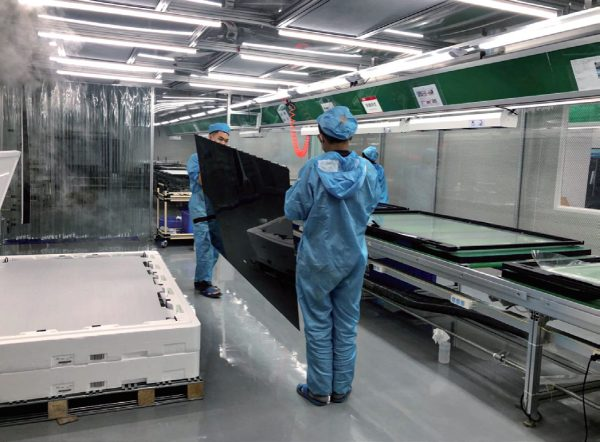
An SKD shipping strategy splits the interactive display hardware into a few pre-assembled core sub-systems. The overseas factory builds the complex internal electronic motherboard, tests the infrared touch sensor grid, and mounts the panel. Local technicians simply fit these large modules together inside a domestic facility using basic hand tools. This middle-ground method requires minimal specialized factory equipment, making it ideal for regions starting their technology journeys.
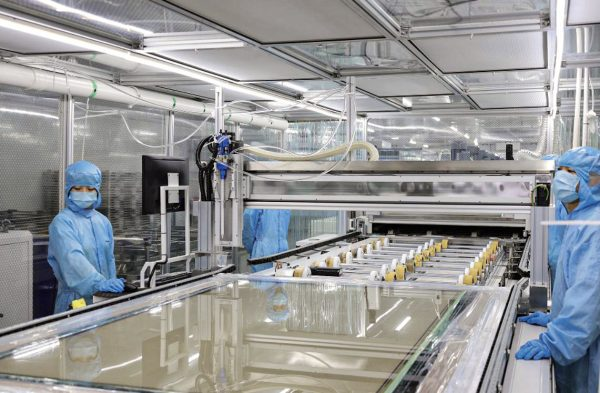
A CKD infrastructure layout sends every single piece of the display as an individual unlinked component item. The manufacturer packs bare LCD cells, diffuse backlights, metal frames, and circuit boards separately into tight crates. Local workers must assemble the entire display stack from scratch inside cleanroom environments to prevent dust contamination. While this model demands higher initial factory tool investments, it unlocks the maximum possible customs tariff reductions.
Importing finished consumer electronics into developing regions often triggers massive government trade protective penalties. These legal trade structures aim to protect local industrial workers from cheap foreign factory imports.
Most national customs authorities charge significantly lower tax rates on raw components than on completed retail goods. Shipping a fully functional, branded smart board to a local port might invite a thirty percent import tax. Conversely, importing unlinked raw electronic circuit boards and metal frames often drops that tax rate down to zero. These tax differences allow education ministries to stretch their available technology purchasing budgets much further.
Fully assembled interactive boards require thick protective foam structures to keep their massive glass displays safe during transit. This bulky protective packaging fills up maritime shipping containers with massive amounts of empty, unmonetized air space. A component-based shipping strategy stacks flat LCD sheets and bare metal enclosures tightly atop compact wooden pallets. Consequently, a single ocean cargo container can hold three times more display units than a finished goods shipment.
Compact Component Density: Fits up to three hundred percent more units inside standard shipping containers.
Minimal Customs Tariffs: Drops import duty expenses down to raw industrial component tax brackets.
Reduced Damage Risks: Shipping bare parts in dense protective crates prevents transit vibrations from breaking glass.
Balanced Cash Outlays: Allows procurement managers to buy components in stages to protect cash reserves.
Investing in public school technology should do more than just upgrade classroom chalkboards for local children. The procurement process should actively stimulate economic growth within the very communities paying for those school upgrades.
Hiring an interactive board SKD CKD service requires establishing a functional domestic assembly workshop near your distribution hubs. This initiative creates immediate job openings for electronic technicians, quality control inspectors, and logistics warehouse supervisors. Local workers gain valuable hands-on experience handling sensitive digital components, precision calibration machinery, and automated testing software loops. This professional skill acquisition elevates the technological capabilities of the regional workforce, attracting future corporate investments.
Schools frequently struggle to repair imported technology assets when complex internal components fail during busy semesters. Sending a broken seventy-five-inch display back across the ocean for manufacturer warranty service takes months. Because local technicians built the displays from individual components, they understand the internal wiring paths perfectly. Your domestic assembly facility naturally transforms into a fully stocked regional spare parts depot and repair center.
| Procurement Factor | Completed Finished Goods Import | Interactive Board SKD CKD Service Model |
| Ocean Freight Costs | Ultra-high (Paying for bulky protective packaging air) | Minimal (Dense component stacking maximizes space) |
| Customs Import Tariffs | Extreme (Taxed under premium electronics codes) | Minimal (Taxed under raw industrial part rules) |
| Local Community Impact | Zero (All manufacturing profits stay overseas) | Maximum (Creates technical vocational assembly jobs) |
| Spare Parts Availability | Slow (Parts must travel from foreign factories) | Instant (Domestic assembly plants stock raw components) |
| Hardware Customization | None (You must accept standard factory designs) | High (Allows local localized branding and software tweaks) |
Transitioning away from finished goods procurement requires managing a few critical engineering quality control variables safely. Your local management team must enforce strict production rules to match international ISO performance standards.
Assembling loose LCD layers outside a controlled environment invites tiny dust particles to settle on the backlight diffuser films. These microscopic specks create unappealing dark shadows on the screen face that distract students during lessons. Therefore, your domestic assembly line must integrate clean air flow benches or localized positive-pressure clean rooms. These air systems filter out floating dust, ensuring your final display screens look perfectly flawless and bright.
Interactive boards rely on precise arrays of infrared LED transmitters to trace finger movements across the glass surface. If local workers misalign the outer aluminum bezel by even half a millimeter, the touch grid loses calibration. Workers must utilize specialized digital alignment jigs during the final frame-bolting stage of production. This tooling ensures that drawing digital lines on the board feels perfectly instantaneous and fluid for classroom teachers.
Many conservative government financial auditors hesitate to support component-based sourcing due to early manufacturing infrastructure set-up costs. However, analyzing the long-term lifetime expenses of a district-wide deployment reveals undeniable fiscal advantages.
Traditional technology procurement forces school districts to buy equipment through layers of national brokers and retail distributors. Each intermediary corporate entity adds its own substantial profit markup fee to the final hardware price tag. Working with a component service partner lets you buy raw parts directly from prime tier-one electronic component factories. Cutting out these greedy middlemen saves millions of dollars during large-scale regional school modernization rollouts.
Foreign factory displays often arrive pre-loaded with confusing bloatware applications that fail to match your local school curriculum. Custom component sourcing allows your IT team to flash a clean, localized Android operating system onto motherboards during assembly. You can lock down security settings, remove distracting games, and pre-install approved educational tools before delivery. This software control minimizes future classroom technical support headaches for your district IT staff.
Failing to modernize your educational procurement methods leaves your schools lagging behind in the global digital race. You cannot build a world-class smart school network while wasting precious public funds on high shipping fees and tariffs. Transitioning to a professional interactive board SKD CKD service completely redefines your district’s technology deployment capabilities. It combines deep logistics cost reductions with local economic job growth to protect your public education budgets perfectly.
Stop letting high retail import prices compromise your hard-working teachers and ambitious students this academic season. Invest in flexible, component-based hardware sourcing strategies that keep your display deployments moving smoothly and affordably. Your local government auditors will love the budget savings, and your community will celebrate the new technical jobs. Upgrade your custom educational technology infrastructure today to unlock superior academic achievement tomorrow.
Component-based shipping routes lower import tariffs by utilizing raw industrial tax classifications instead of retail codes.
Dense parts packing fits up to three times more hardware units inside standard ocean cargo containers.
Establishing local assembly centers creates technical vocational job opportunities within the regional school community.
Domestic assembly teams provide instant access to spare parts, slashing repair turnaround times during semesters.
Do you need help calculating the exact factory cleanroom dimensions required for an upcoming CKD interactive board project? Contact our educational display hardware applications engineers for a detailed technical assembly plant layout consultation today!


 Hot News