
Home > Blog >
Executive Summary: Yes, a leading Interactive Display Manufacturer is the vital backbone of modern education. By merging advanced hardware with cloud-based learning software, they turn standard classrooms into active digital hubs.
Classrooms are rapidly abandoning outdated projectors. Today, schools require durable, highly responsive, and securely connected screens. Consequently, manufacturers do not just build displays; they design complete ecosystem engines that redefine daily teaching.
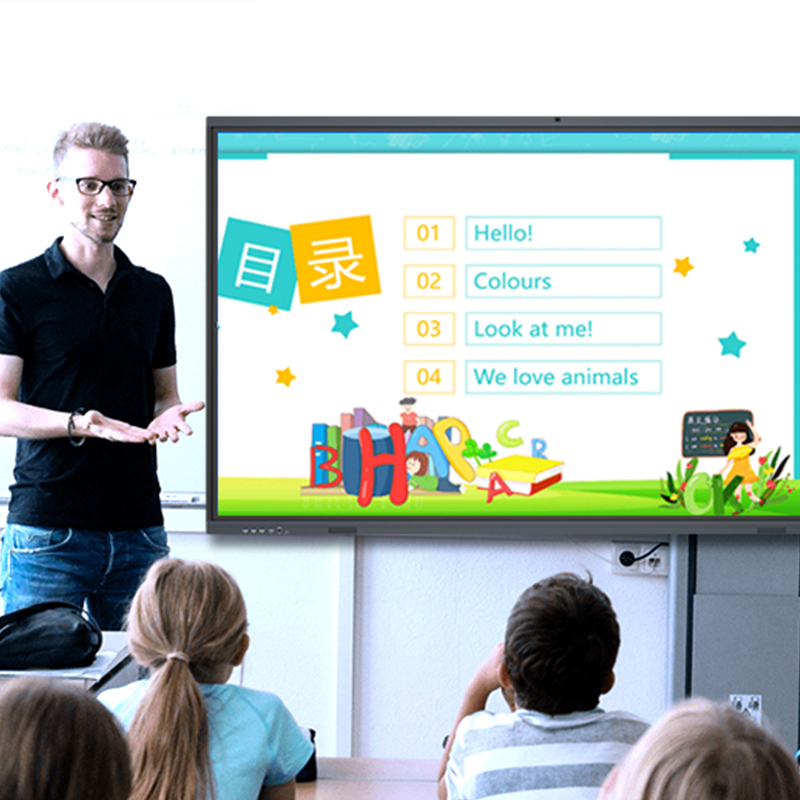
The edtech industry is undergoing a massive transformation. Recently, major global brands like Triumph Board launched their next-generation interactive flat panels. These new systems feature native Android upgrades and full Google EDLA certification.
This certification allows teachers to access the secure Google Play Store directly from the screen. Furthermore, new panels utilize edge-AI tools to auto-translate, transcribe, and structure lessons on the fly.
As a result of this technology surge, school districts no longer accept basic screens. They demand secure, future-ready collaboration hubs. A forward-thinking Interactive Display Manufacturer meets this challenge by building specialized hardware that runs these powerful, complex software suites seamlessly.
Teachers face immense daily stress. Fortunately, purposeful hardware design eliminates technical friction in the classroom.
Writing on older digital screens felt awkward. This was due to the physical air gap between glass and LCD. Today, manufacturers use advanced zero-bonding technology. This reduces the gap to zero millimeters. Consequently, writing with a stylus feels exactly like putting real pen to paper.
Modern classrooms run dozens of student devices simultaneously. Leading manufacturers integrate Wi-Fi 6E chips directly into their displays. Therefore, students cast their screens instantly without lagging. Moreover, personalized NFC tap cards allow teachers to load custom lesson profiles in seconds.
To understand the real impact, consider a recent deployment in a large Texas school district. The district struggled with low engagement in middle school physics classes.
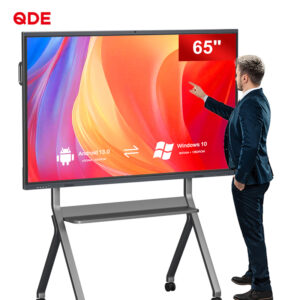
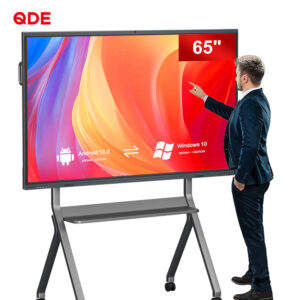
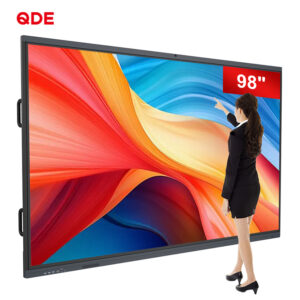
To solve this, they replaced their aging whiteboards with 75-inch premium interactive flat panels. The displays featured 50-point multi-touch capabilities.
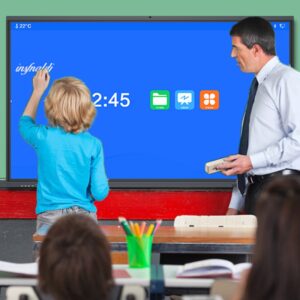
During a gravity lesson, four students stood at the panel simultaneously. They manipulated virtual pendulums, adjusted friction, and plotted real-time graphs. The ultra-low latency panel processed all inputs flawlessly. Within one semester, the school reported a 35% increase in STEM test scores. This success proves that high-performance hardware directly drives academic achievements.

If you are sourcing smart classroom solutions, do not settle for basic consumer televisions. True educational displays require rugged, specialized engineering.
Antibacterial Glass Coatings: Microshield glass kills surface bacteria, keeping students safe during flu seasons.
Built-in Microphone Arrays: Integrated far-field microphones capture teacher audio clearly for hybrid students.
Hardware-Sourced Blue Light Filters: These filters protect developing eyes without distorting natural on-screen colors.
Adopting next-gen technology is a major financial decision. Follow this strategic deployment checklist to protect your investment.
Ensure your school’s current local network can handle high-bandwidth casting from multiple screens.
Work with a verified manufacturer to customize software configurations and secure long-term warranties.
Train teachers weekly. Tech is only effective when educators feel fully confident using it.
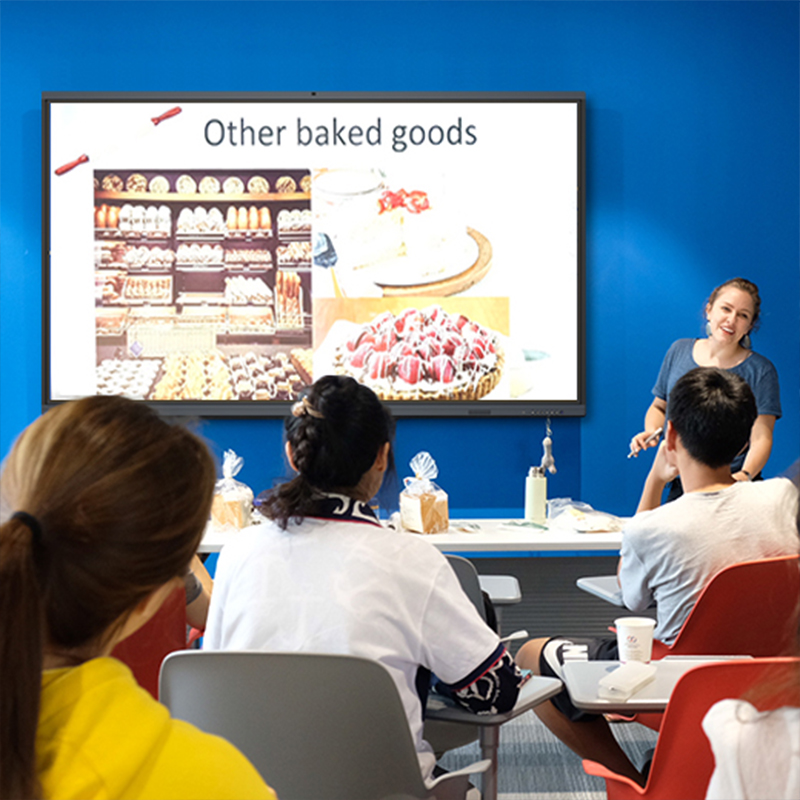
Ultimately, technology is changing how the world learns. Static classrooms are officially a thing of the past. By partnering with a top-tier Interactive Display Manufacturer, schools gain access to the tools of tomorrow.
You do not just buy a piece of hardware. Instead, you invest in student engagement, collaboration, and long-term academic success.
Most premium classroom panels have a lifespan of 50,000 hours, lasting roughly ten years of daily use.
Yes, modern panels support native casting from Chrome, Windows, iOS, and Android platforms.
Yes, IT administrators can update firmware, push alerts, and manage settings remotely across entire campuses.

 Hot News