
Home > Blog >
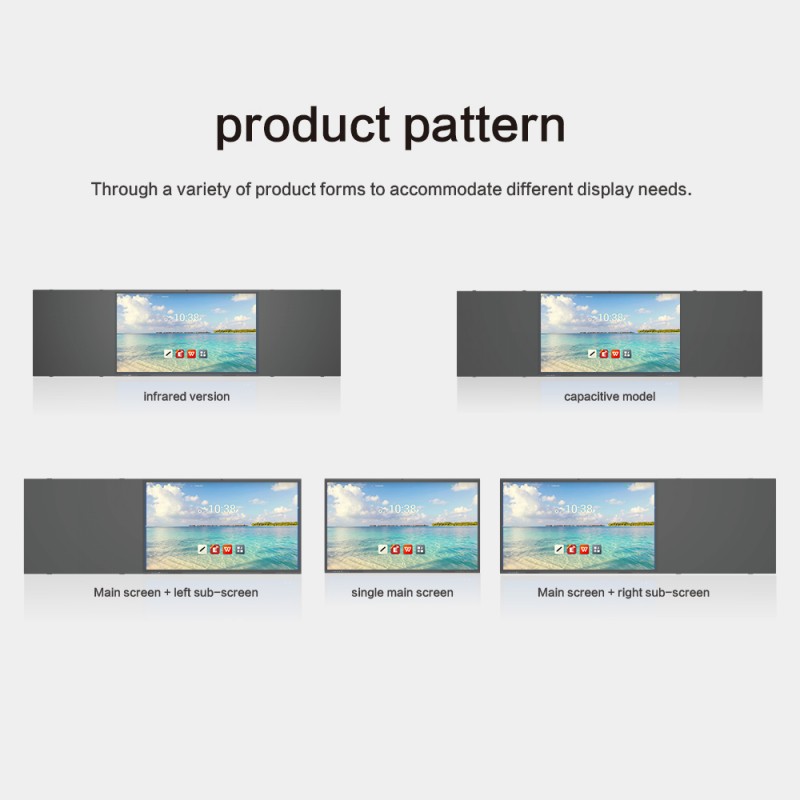
A Smart Classroom Blackboard can help education brands meet different teaching needs through customized hardware, localized software, and flexible branding. For distributors and school project contractors, successful OEM customization depends on matching product features to classroom requirements, regional preferences, and budget expectations.
China Chip Depot provides OEM, ODM, SKD, and CKD services for interactive displays. Its 86-inch Nano Smart Blackboard combines 4K resolution, multi-touch interaction, and traditional chalkboard functionality. Before bulk production, buyers should confirm specifications, evaluate samples, and clarify customization options.
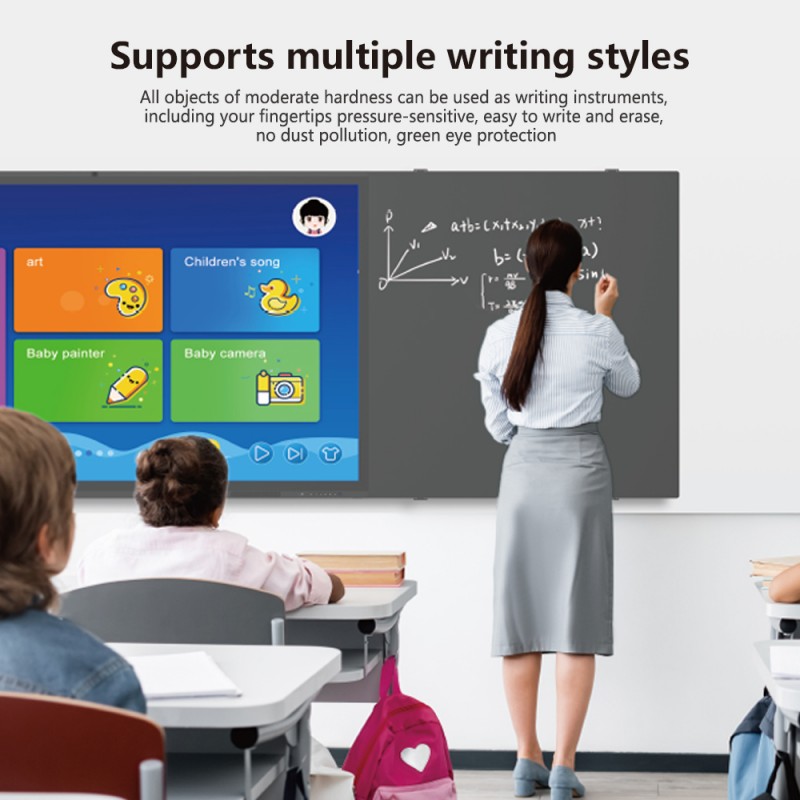
Start by identifying the target market and intended teaching scenarios. Primary schools, universities, and training centers may have different requirements for writing methods, applications, and classroom interaction.
For example, schools focused on handwriting may prioritize touch responsiveness, while digital learning centers may need reliable multimedia playback and wireless sharing. Meanwhile, overseas distributors should consider interface languages, branding, packaging, and regional compliance requirements.
A clear product brief helps manufacturers recommend suitable configurations and reduces misunderstandings during production.
Explore our Smart Classroom Blackboard product category for interactive teaching displays.
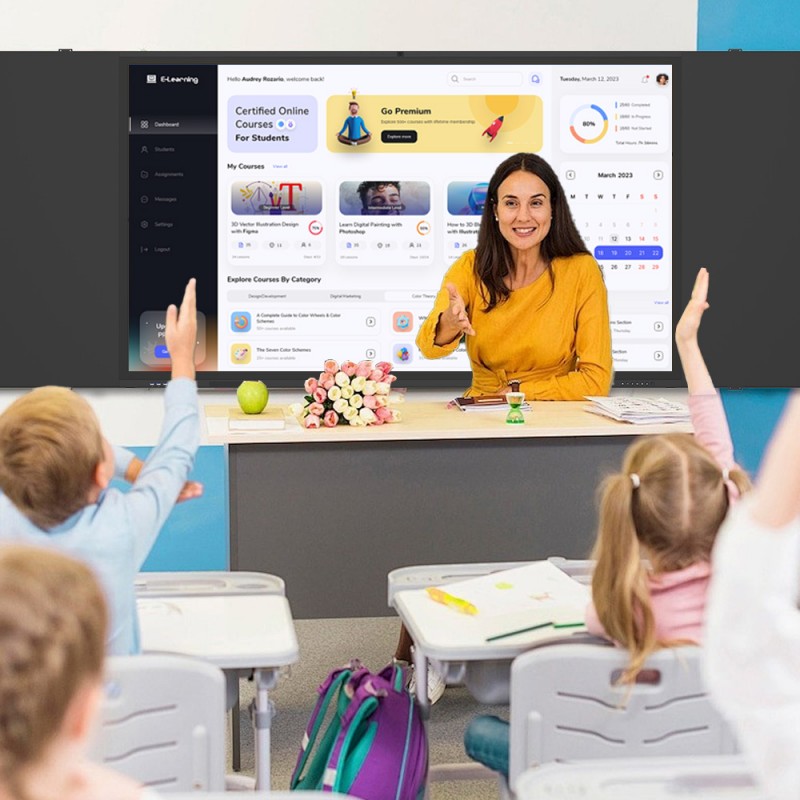
Combining traditional writing with digital presentation allows teachers to adapt lessons without relying on separate tools for every activity.
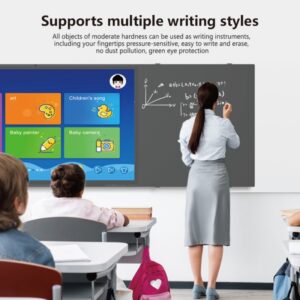
The 86-inch Nano Smart Blackboard supports chalk writing and digital stylus interaction. Teachers can explain mathematical formulas, annotate diagrams, and supplement handwritten notes with videos or digital learning materials. Additionally, its 4K display helps present detailed text and illustrations.
Wireless screen mirroring can also enable content sharing from compatible laptops, tablets, and smartphones. However, device compatibility and network conditions should be tested before deployment.
For education brands, the key consideration is whether these functions improve everyday teaching workflows rather than simply increasing the number of features.
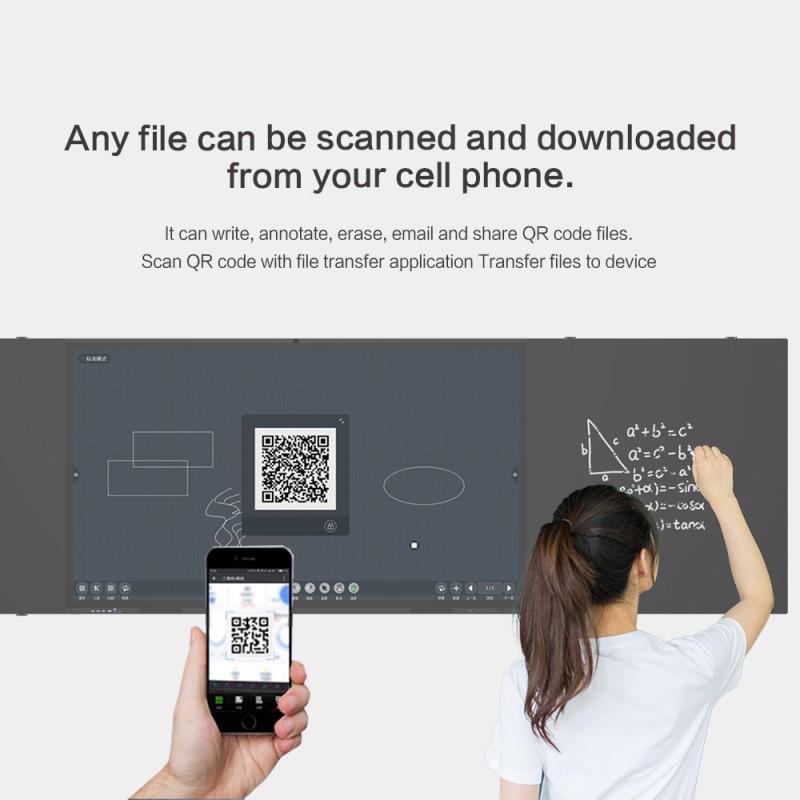
Customization should focus on practical market requirements. Depending on the selected model and agreed project scope, buyers can discuss the following options with the manufacturer.
| Customization area | Available possibilities | Key consideration |
|---|---|---|
| Branding | Logo and product identification | Artwork and placement |
| Hardware | Configuration and OPS integration | Component compatibility |
| Software | Android or Windows options | Application requirements |
| Localization | Interface language and regional settings | Language availability |
| Packaging | Customized packaging and labels | Shipping and branding needs |
| Assembly | SKD or CKD arrangements | Local assembly responsibilities |
China Chip Depot offers OEM and ODM services for customized display projects, while SKD and CKD arrangements may suit businesses planning local assembly.
Nevertheless, buyers should confirm which options are available for their chosen model, along with minimum order quantities, development costs, and production schedules.
Specification sheets provide a starting point, but sample testing helps buyers assess performance under realistic classroom conditions.
| Feature | Available specification | What to evaluate |
|---|---|---|
| Screen size | 86 inches | Classroom visibility |
| Resolution | 4K Ultra HD | Text and image clarity |
| Touch | Multi-touch | Response and accuracy |
| Writing | Chalk and digital stylus | Writing experience |
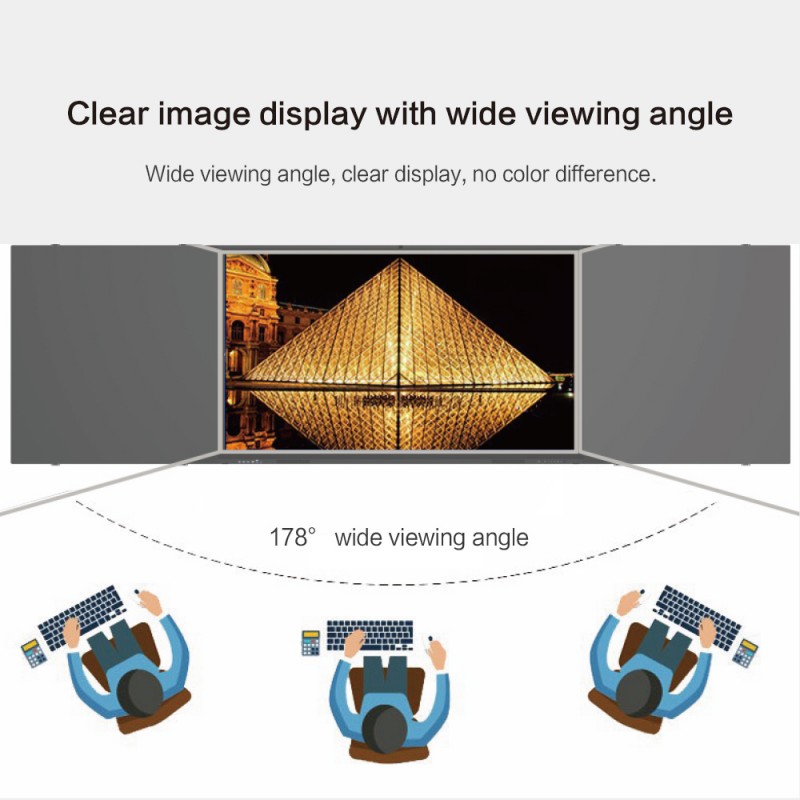
| Surface | Anti-glare glass | Reflections under classroom lighting |
| Eye-care feature | Reduced blue light | Supporting test documentation |
| System | Android and Windows options | Software compatibility |
| Connectivity | Wireless sharing supported | Device and network compatibility |
| OPS | Available in supported configurations | Hardware requirements |
During sample evaluation, test handwriting, touch response, multimedia playback, wireless sharing, and required educational applications. Additionally, verify installation conditions and relevant compliance documents.
These checks help identify configuration issues before mass production and reduce the likelihood of costly revisions.
A reliable OEM process requires clear communication from initial planning through delivery. After confirming the project brief, both parties should approve the final configuration, branding, packaging, and quality requirements before production.
China Chip Depot provides OEM, ODM, SKD, and CKD services for interactive displays. Buyers should discuss their project requirements with the manufacturer and confirm lead times, inspection procedures, warranty terms, spare-part availability, and technical support.
Furthermore, any changes to approved specifications should follow an agreed confirmation process. This helps maintain product consistency across repeat orders and multiple school projects.
Choosing a suitable manufacturing partner ultimately means finding a supplier that understands the target application, communicates limitations clearly, and supports the agreed production requirements.
Q1: What information is needed for a customized Smart Classroom Blackboard?
Provide the target market, screen size, operating system, language requirements, branding preferences, packaging needs, and estimated order quantity. Existing software and connectivity requirements should also be specified.
Q2: Does the 86-inch model support traditional and digital writing?
Yes. The described model supports chalk writing and digital stylus interaction. Buyers should evaluate the writing experience and confirm the final configuration before ordering.
Q3: What are the differences between OEM, ODM, SKD, and CKD?
OEM generally involves manufacturing according to customer requirements, while ODM includes manufacturer-provided design or development. SKD and CKD refer to partially and completely knocked-down supply arrangements for assembly.
Q4: Can the product be customized for overseas markets?
Potential options include branding, packaging, software localization, and hardware configuration. Buyers should confirm language availability, regional compliance, and technical compatibility with the supplier.
Q5: What should buyers test before bulk production?
Evaluate display clarity, touch response, writing performance, application compatibility, and wireless sharing. Also confirm final specifications, quality inspection criteria, packaging, and compliance documentation.
 Hot News