
Home > Blog >
Walk into any modern flagship retail store or bustling corporate lobby today. You will instantly see bright, dynamic screens flashing vibrant product advertisements. Static paper posters no longer catch consumer eyes in our fast-paced world. People simply ignore traditional printed flyers and static billboard advertisements now.
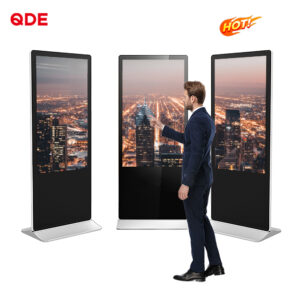
Instead, modern consumers expect real-time information, interactive maps, and engaging visual storytelling. This major shift forces retail marketers to upgrade their physical brick-and-mortar spaces. Fortunately, advanced screen technology offers the perfect solution for modern brand engagement. Implementing premium digital signage displays completely changes how brands talk to their foot-traffic customers.
This comprehensive industry analysis explains how commercial screens maximize your overall retail marketing performance.
Human brains naturally track moving objects rather than static text elements. This biological trait makes dynamic screens incredibly effective tools for modern retail environments.
Bright LED panels cut through ambient store clutter immediately. Moving graphics trigger a natural psychological response, forcing shoppers to look at your messaging. Consequently, your promotional campaigns achieve much higher recall rates among casual store visitors. This instant visibility sets the perfect stage for immediate impulse buying decisions.
Long checkout lines destroy customer satisfaction scores very quickly. However, placing entertaining screens near cash registers distracts waiting buyers effectively. By showing engaging brand stories or helpful weather updates, you keep buyers entertained. This visual distraction reduces perceived wait times by up to 35 percent.
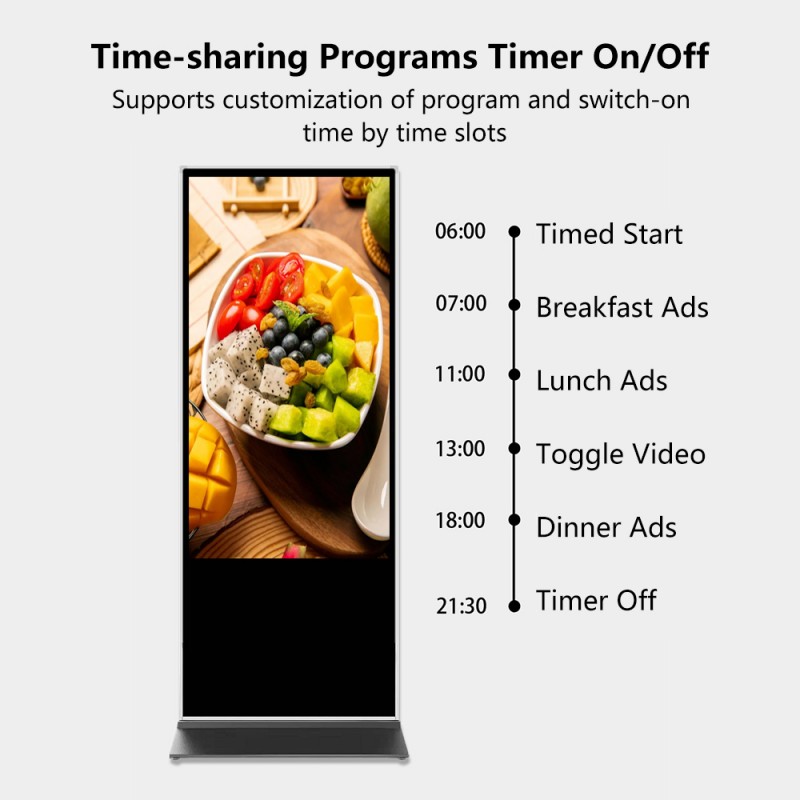
Traditional print advertising campaigns require days of planning, printing, and manual physical installation. Let us explore how automated digital networks compress your operational timelines.
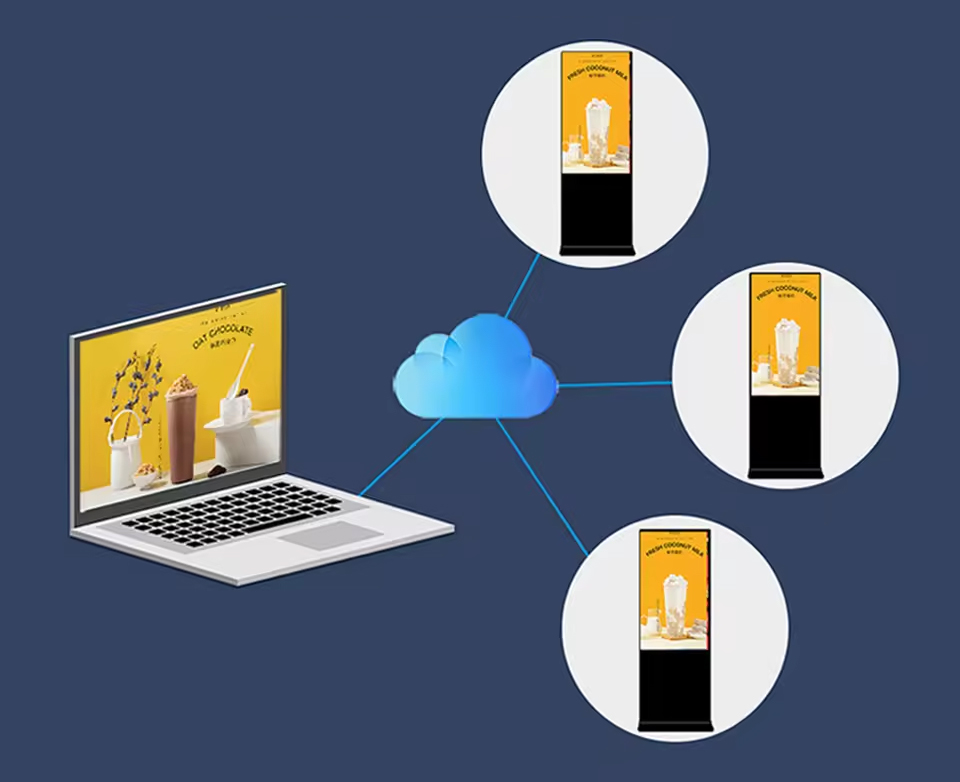
Imagine changing your entire store pricing menu across fifty global locations simultaneously. With a cloud-based content management system, a single marketer accomplishes this task in seconds. You can launch flash sales instantly to liquidate overstock inventory items before closing time. This extreme agility allows your brand to respond to local market trends immediately.
Modern screen networks communicate directly with local point-of-sale inventory databases. If afternoon temperatures spike, your screens switch automatically to promote iced coffee drinks. This hyper-targeted advertising ensures that customers see highly relevant items precisely when they want them. Learn how to connect these systems by reading our Guide to POS and Smart Display Integration.
Choosing the wrong communication platform can ruin your annual retail conversion goals. The technical table below outlines the core differences between traditional and modern store media.
| Retail Media Performance Metric | Traditional Printed Paper Posters | Advanced Digital Signage Displays |
| Content Update Speed | Days or weeks (Requires manual shipping) | Under ten seconds via cloud software |
| Consumer Attention Span | Low (People ignore familiar static prints) | High (Vibrant video holds human focus) |
| Long-Term Operational Cost | High (Continuous printing and labor fees) | Low (One-time hardware asset purchase) |
| Interactive Customer Options | None (One-way passive communication) | Maximum (Supports touchscreens and QR codes) |
| Audience Data Tracking | Impossible (No way to measure views) | Excellent (Integrates with anonymous vision sensors) |
Modern brick-and-mortar stores do not just sell physical items anymore. Instead, they must sell a memorable, high-end shopping experience to survive online competition.
Large shopping malls and massive corporate campuses confuse first-time visitors easily. Lost customers quickly become frustrated, which hurts your overall brand perception. Installing interactive digital signage solves this common issue beautifully. Visitors touch the screen to plot custom walking routes directly to their desired store locations.
Modern screens bridge the gap between digital web stores and physical boutique locations. You can display live social media feeds showing real customers using your products. Furthermore, shoppers can scan on-screen QR codes to purchase out-of-stock sizes directly from your warehouse. This omni-channel approach ensures you never lose a sale due to floor stock shortages. Discover more layout tips in our Retail Omni-Channel Floor Strategy Checklist.
Procurement directors must look past cheap consumer televisions when upgrading commercial spaces. Consumer-grade screens burn out quickly under heavy, continuous retail use.
Verify Commercial-Grade Panel Ratings: Ensure screens are rated for 24/7 continuous operational cycles.
Check Nit Brightness Levels: Select high-nit screens to fight intense glare from sunny storefront windows.
Demand Robust Security Enclosures: Prioritize tempered glass covers to resist accidental shopping cart impacts.
Inspect SoC Software Capabilities: Choose displays with integrated System-on-Chip boards to eliminate external media players.
Some CFOs hesitate when reviewing the initial capital expenditure for commercial hardware networks. However, digital communications networks pay for themselves within the first few quarters.
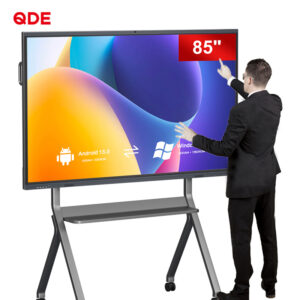
Printing massive vinyl banners every month drains your marketing budget silently. You must pay for specialized design, heavy paper shipping, and third-party installation crews. Upgrading to commercial smart boards wipes out these recurring operational expenses completely. Your design team uploads digital files directly, saving thousands of dollars annually.
If your retail location enjoys high foot traffic, your screens become valuable advertising assets. You can lease specific time slots to friendly, non-competing brand partners. For instance, a shoe boutique can sell screen time to a premium sock manufacturer. This secondary revenue stream transforms your display network into a self-funding profit center.
Deploying a successful display network requires a partner with deep software and hardware engineering expertise. Avoid hardware vendors who simply drop boxes at your warehouse door without technical support. Instead, look for suppliers who provide comprehensive remote software management training. Your partner should also offer hot-swappable hardware warranty extensions. This robust support structure guarantees your marketing screens stay bright, active, and profitable for years to come.
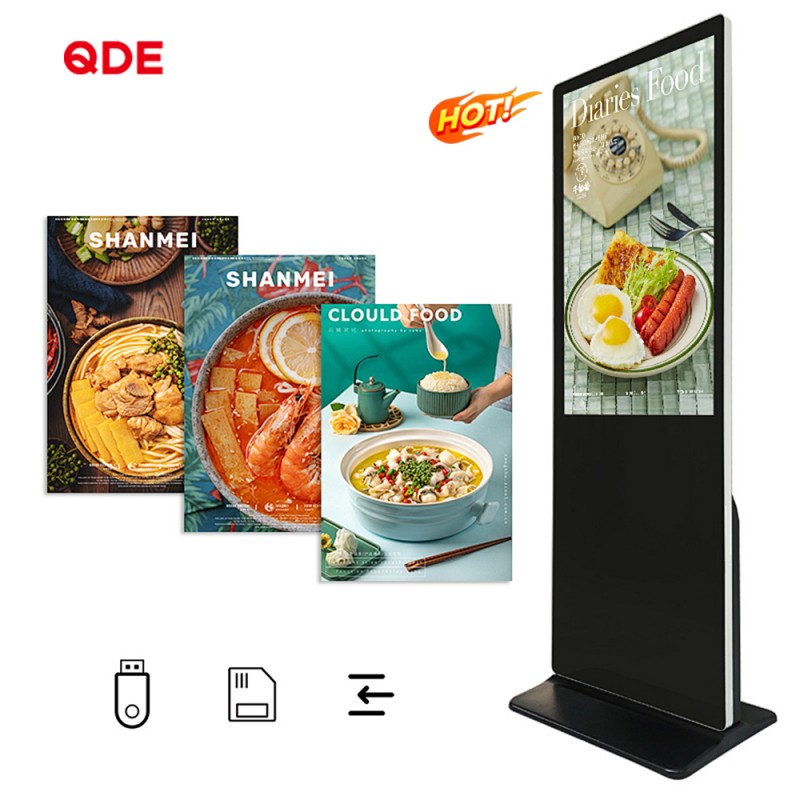
The retail landscape will continue to evolve rapidly over the next decade. Stores must shed slow, outdated print methods to keep pace with digital-native shoppers. Ultimately, integrating high-performance customer experience displays protects your long-term retail margins. It delivers the fast updates, visual beauty, and data tracking that modern commercial brands need to thrive.
Do you need technical assistance calculating the exact screen sizes or pixel pitches required for your upcoming store renovation? Contact our application engineering team today for a complimentary blueprint design consultation.
 Hot News