
Home > Blog >
Modern museums face a unique, modern challenge today. Capturing the attention of digital-native teenagers is incredibly difficult now. Traditional glass display cases often fail to inspire younger generations. Static informational placards feel boring to kids raised on smartphones.
Fortunately, cutting-edge gallery curators are finding an elegant solution. They utilize a high-tech interactive nano display to bring history alive. This advanced touch technology blends beautiful visual clarity with physical durability. Consequently, it transforms passive observing into active, memorable learning. This guide explains why this technology is ideal for youth education in exhibition spaces.
Young students learn best when they can manipulate their environment physically.
Static pictures rarely spark deep curiosity in a modern teenager’s mind. An interactive nano display, however, invites direct physical exploration instantly. Kids can zoom in on high-resolution historical maps effortlessly. They can rotate 3D digital models of ancient artifacts with simple gestures. This physical movement makes abstract concepts feel completely real to young minds.
Traditional glass cases separate the young viewer from the artifact. This separation can make history feel distant and irrelevant to kids. Interactive screens break down this barrier by offering immersive digital context.
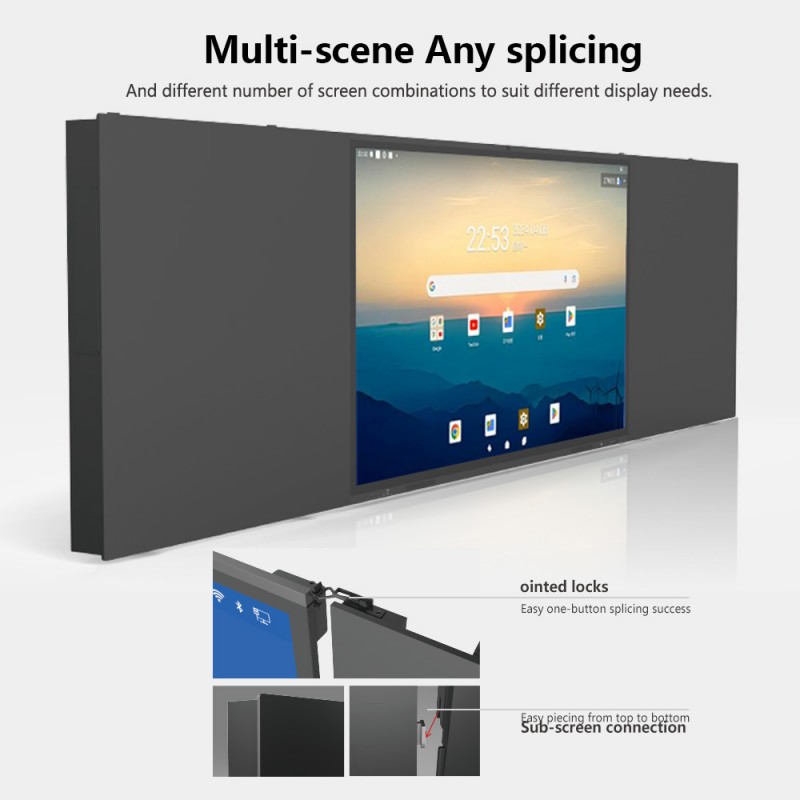
Public exhibition halls require touch technology that performs flawlessly every time.
Older infrared touch frames often look bulky and ruin smooth lines. Furthermore, dust or ambient light can confuse their optical sensors easily. Nano touch engineering solves these issues by embedding sensors directly behind the glass. This creates a perfectly flat, highly sensitive multi-touch surface. It registers the lightest touches from eager young fingers instantaneously.
Museums use complex spotlight arrays to highlight specific architectural areas. These bright lights often create blinding glare on standard electronic monitors. Fortunately, premium nano displays feature advanced anti-glare chemical treatments. Students can read historical text clearly from any viewing angle in the room.
Zero Air Gap: Eliminates visual distortion and improves touch accuracy.
High Durability: Resists scratches from rings, keys, and backpacks easily.
Seamless Design: Blends beautifully into minimalist gallery walls and tables.
Multi-User Tech: Allows multiple children to collaborate on one screen together.
Museum educators frequently share their technology successes online to help peers.
On a popular Reddit museum curation forum, a tech director shared an amazing case study. His science center installed an interactive nano display for a space exhibit. Previously, teenagers walked past the planetary charts within thirty seconds. The new touch table allowed them to simulate solar system gravity fields manually.
The director noted that average youth engagement times increased from seconds to fifteen minutes. Teenagers started asking complex questions about astrophysics to gallery staff. This forum example proves that the right technology unlocks genuine intellectual curiosity. It turns a standard field trip into a launching pad for future scientists.
True education is inherently a social experience for young people.
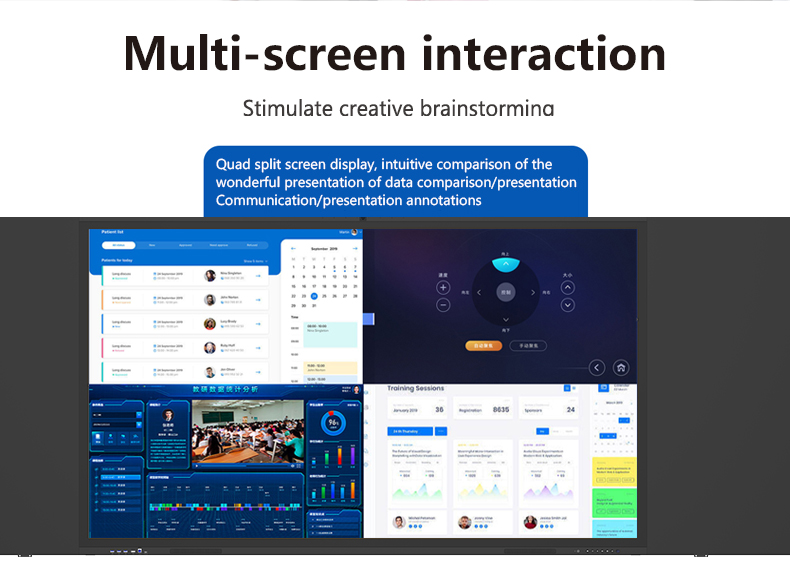
Traditional museum exhibits usually force a solitary reading experience on visitors. In contrast, large nano display tables encourage healthy group dynamics. Multiple students can gather around the screen to solve historical puzzles together. They talk, debate, and share ideas while navigating the digital interface. This active collaboration deepens their understanding of the educational material.
Curators can design competitive history quizzes directly into the touch interface. Teens love competing for high scores against their school classmates. This gamification keeps energy levels high throughout long afternoon museum tours. It proves that learning history can feel genuinely fun and exciting.
Eager schoolchildren can cause serious physical wear and tear on museum hardware.
They tap aggressively, spill juices, and lean heavily on display cases daily. Therefore, exhibition tools must feature military-grade structural durability. A modern interactive nano display utilizes thick, impact-resistant tempered safety glass. It lacks fragile external bezels that curious toddlers can pry apart.
Impact Protection: Toughened top glass shields the expensive LCD panel safely.
Waterproof Surface: Sealed glass fronts prevent liquid damage from spilled water bottles.
Easy Sanitization: Staff can wipe down the flat glass face quickly between tours.
Dust Resistance: Enclosed internal electronics keep out floating hallway dust particles.
Fewer broken screens mean your museum saves money on hardware replacements annually. The solid-state design ensures the exhibit remains open every single day. This mechanical reliability protects your institution’s reputation and operational budget. Designing durable public touch exhibits for high-traffic zones
Museums have a profound social responsibility to welcome every type of learner.
Traditional printed signs are very difficult for visually impaired students to read. Digital screens solve this accessibility issue with flexible software settings. Users can increase text sizes or activate voice narration instantly. This flexibility ensures that every child enjoys equal access to human history.
Some children become overwhelmed by loud noises and flashing rooms. An interactive display allows them to control the pace of information delivery. They can focus on quiet text or watch educational videos at their own speed. This control lowers anxiety and creates a supportive learning environment.
Historical research changes as archaeologists discover new artifacts around the world.
Updating traditional printed signs is an expensive and time-consuming process. In contrast, updating digital museum software takes only a few mouse clicks. You can refresh your entire display content over the local network instantly. This agility ensures your exhibit always reflects the latest scientific discoveries.
A tour morning might host elementary kids, followed by high school seniors at noon. Curators can switch the screen’s vocabulary level to match the audience instantly. This software versatility maximizes the educational value of a single physical exhibit hall.
Connecting with the younger generation requires a bold shift in presentation style.
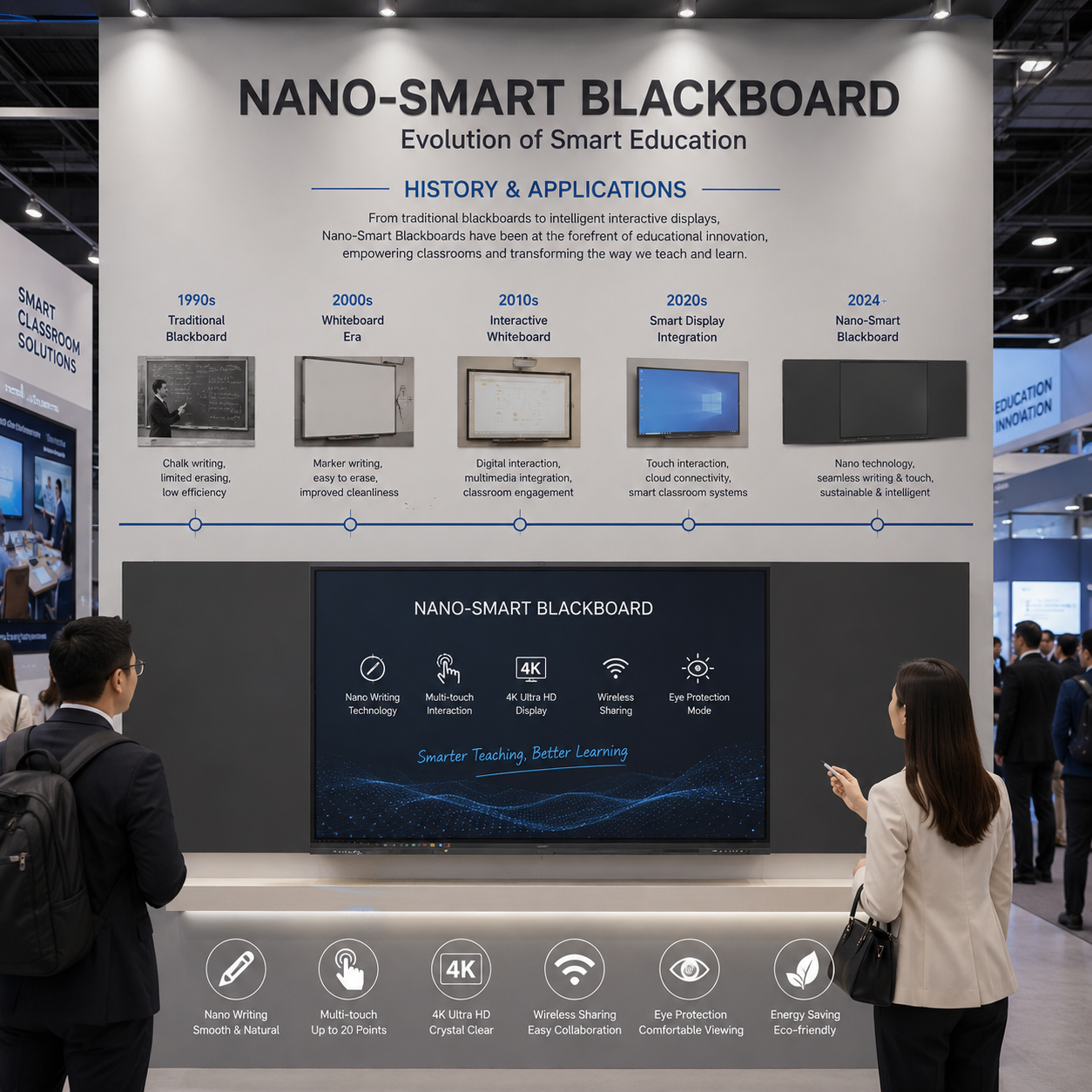
An interactive nano display is the ultimate tool for modern youth museum education. It replaces boring reading lists with vibrant, tactile digital adventures. Invest in durable hardware that survives the excitement of school field trips easily. Your exhibition spaces will inspire young minds and protect human heritage for decades to come.
 Hot News