
Home > Blog >
The modern school classroom is undergoing a massive digital transformation today. Traditional green chalkboards have officially left the building. Instead, interactive technology now drives daily student engagement. Educators constantly seek better ways to connect with digital-native students.
A modern smart classroom flat panel serves as the central hub for this new learning ecosystem. This hardware does far more than just display static presentations. It creates an immersive, collaborative environment for students and teachers alike. This guide explores the most significant technology trends shaping classrooms this year. We will examine how these tools improve global learning outcomes.
Older interactive whiteboards often suffered from annoying touch delays. Students felt frustrated by inaccurate writing sensors during lessons.
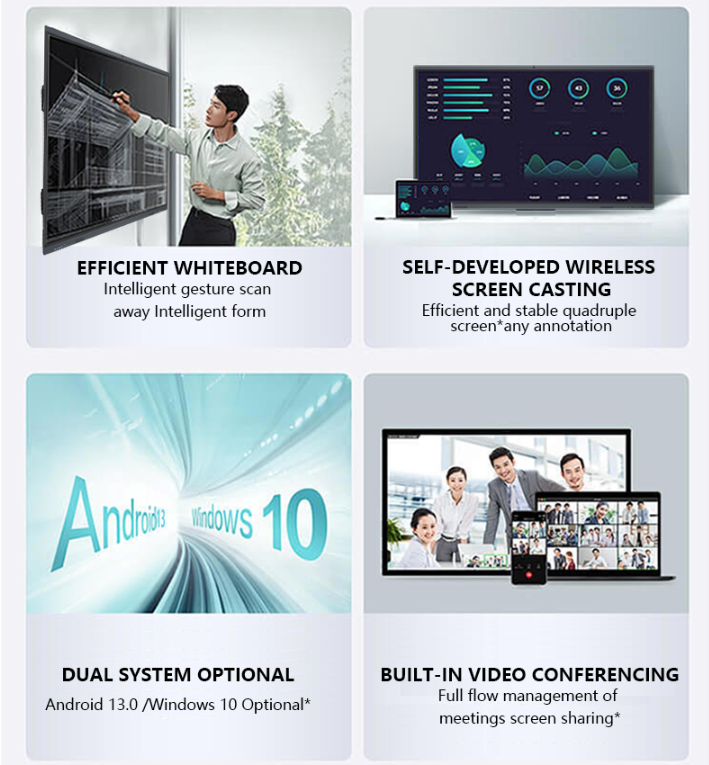
Fortunately, the latest display generation features advanced nano touch engineering. This technology eliminates the physical air gap behind the glass screen completely. Consequently, it creates a perfectly seamless, instantaneous writing experience. Writing on the panel feels exactly like using a traditional marker. This precision allows multiple students to collaborate at the board simultaneously.
Nano touch displays also improve overall visual clarity for students. They reduce distracting room reflections from bright windows significantly. Therefore, kids sitting in the back row can read small text easily. This optical clarity keeps students focused on the lesson plan longer.
Hybrid learning is no longer a temporary emergency solution for schools. It is now a permanent fixture in modern global education.
Today’s smart classroom flat panel connects smoothly with cloud platforms. Teachers can launch Zoom or Microsoft Teams with one quick tap. This instant connectivity bridges the gap between physical and remote classrooms. It allows sick students to participate in live lectures from home.
Cloud Saving: Teachers save daily whiteboard notes straight to Google Drive.
Instant Sharing: Students scan a simple QR code to download lesson summaries.
Remote Management: IT administrators update firmware across the school network overnight.
Multi-Platform Support: The screen switches between Windows and Android operating systems instantly.
Teachers used to spend hours transferring files between different personal devices. Now, they log into their cloud profile directly on the screen. All their custom lesson assets appear on the board instantly. This streamlined workflow saves precious time during busy school mornings.
Classroom technology must protect the physical well-being of young students. Spending hours looking at bright screens can cause severe eye strain.
Therefore, hardware manufacturers now integrate robust eye-care features by default. Modern panels utilize hardware-level blue light filtering technologies. Unlike software filters, this method reduces harmful emissions without ruining color accuracy. The screen colors remain vibrant while protecting delicate student vision.
Traditional displays use rapid power cycling to adjust screen brightness. This hidden flicker causes headaches during long study sessions. New educational panels employ flicker-free direct current backlighting instead. This engineering choice ensures comfortable viewing throughout the entire school day.
Artificial intelligence is changing how educators deliver daily learning material.
Modern interactive displays now feature built-in AI software tools. For example, the board can convert messy handwriting into neat digital text. It can also generate real-time captions for students with hearing difficulties. This automated assistance makes classrooms far more inclusive for diverse learners.
AI tools can automatically translate spoken foreign languages during geography lessons. They can also create instant pop quizzes based on whiteboard notes. This smart automation allows teachers to focus entirely on mentoring students. It transforms the screen into a true digital teaching partner.
Cables are a major safety hazard in busy elementary school classrooms. Teachers often trip over loose HDMI wires near their desks.
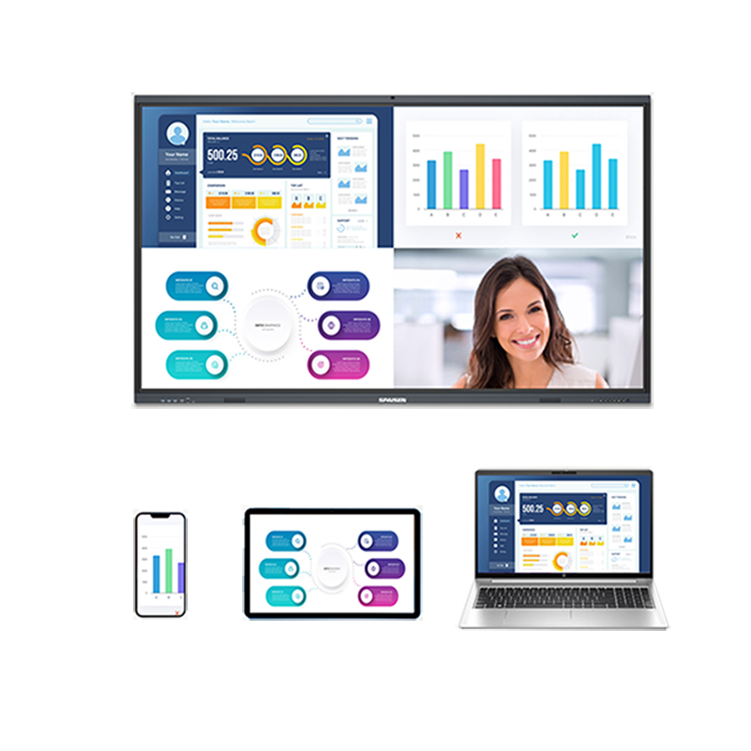
The newest trending panels solve this issue via advanced wireless mirroring. Students can share their tablet screens onto the main board instantly. The system supports up to nine simultaneous screen connections at once. This multi-screen layout encourages healthy academic competition during group projects.
Connect Device: Students join the secure classroom wireless network.
Enter Code: A dynamic PIN code prevents accidental screen sharing from other rooms.
Share Work: Kids present their homework assignments to the entire class.
Annotate Live: The teacher writes feedback directly over the mirrored student screen.
When wires are necessary, a single USB-C cable handles everything. It transmits 4K video signals, touch data, and internet access simultaneously. Furthermore, it charges the teacher’s laptop at the exact same time. This clean setup minimizes desk clutter beautifully. How to optimize wireless casting security in school networks
Visuals represent only one half of the classroom technology equation. High-quality audio is equally critical for effective student comprehension.
Older flat panels relied on weak internal speakers facing the back wall. Consequently, audio sounded muffled and unclear to students sitting far away. The latest educational trends introduce powerful front-facing soundbars. These systems often include integrated subwoofers for rich, cinematic audio depth.
Many premium models now include built-in multi-microphone arrays. These microphones utilize AI to isolate the teacher’s voice automatically. They filter out ambient background noise like rustling papers or air conditioners. Remote students hear every single word with absolute, crystal-clear precision.
Modern schools place a massive emphasis on reducing their carbon footprint. Therefore, educational hardware must meet strict energy efficiency standards.
The trending panels for 2026 feature intelligent energy-saving sensors. They detect when a classroom becomes completely empty after class. The system automatically enters a low-power sleep mode within minutes. This automated conservation reduces school electricity bills significantly over the academic year.
Sustainable design also involves maximizing the physical lifespan of the hardware. Manufacturers now use heavy-duty aluminum frames to prevent accidental dents. The front glass features a high level of scratch resistance. Investing in durable gear prevents expensive electronic waste in our landfills.
Upgrading your campus technology is a powerful investment in student success.
The modern smart classroom flat panel is reshaping the educational landscape completely. It brings abstract lesson concepts to life through vibrant interactivity. Focus on choosing panels with robust eye-care and seamless cloud integration. Your school will create a highly engaging, future-proof environment for generations to come.
 Hot News