
Home > Blog >
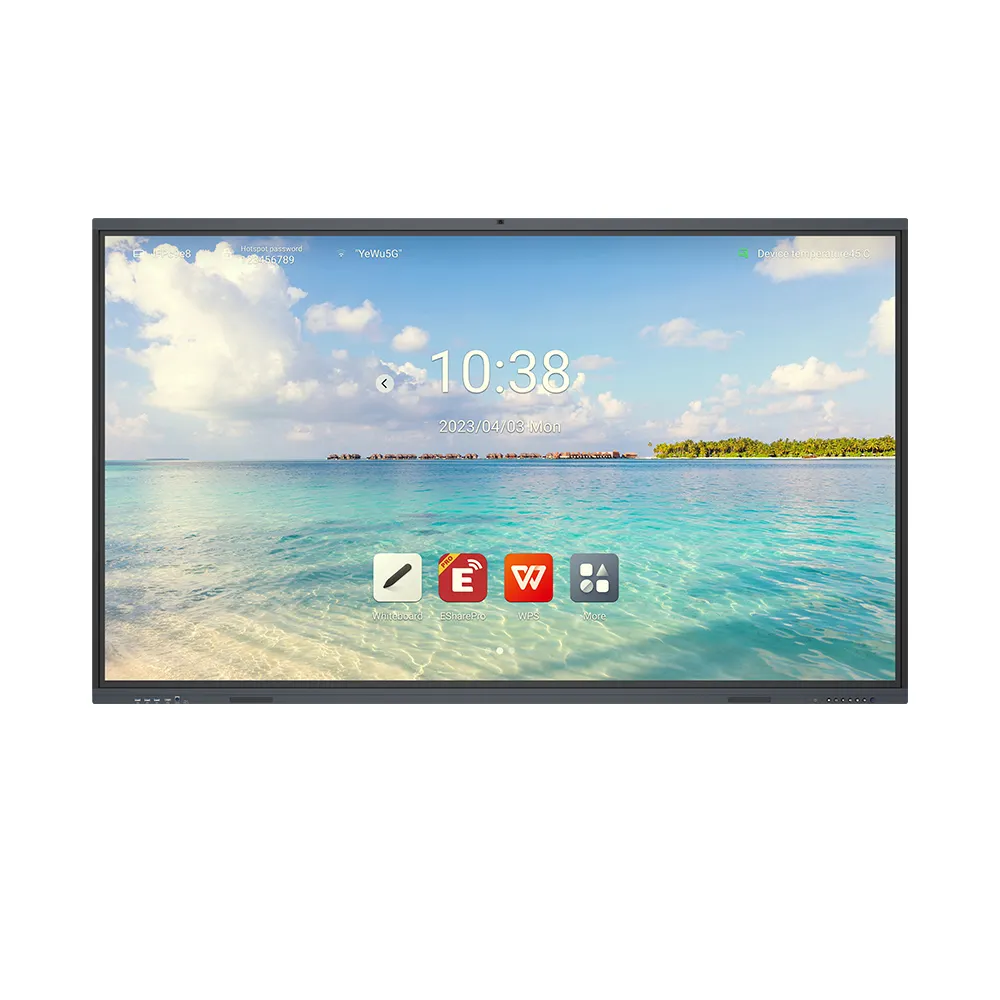
Modern classrooms are changing fast. Educators now face the challenge of teaching students both in-person and remotely. This shift requires flexible tools that bridge the digital gap. One innovation stands out: the dual mode smart teaching board.
This technology combines traditional writing surfaces with advanced digital displays. It offers a seamless transition between analog teaching and interactive media. In this article, we explore the educational science behind this tool. We will see how it transforms the hybrid learning experience for everyone.
Education once relied solely on chalk and talk. However, digital transformation has introduced new possibilities. The dual mode smart teaching board represents the pinnacle of this evolution. It respects the tactile nature of writing while embracing high-definition visuals.
Hybrid learning demands constant connectivity. A teacher must engage a student in the back row and one at home. Traditional tools often fail one of these groups. In contrast, smart boards sync content in real-time across all platforms. This ensures no student feels left behind during the lesson.
Why is this hardware so effective in a classroom? We must look at established scientific educational research. These theories explain how students process information in a digital age.
Dual Coding Theory suggests that humans process information through two channels: visual and verbal. A dual mode smart teaching board excels here. It allows teachers to write text (verbal) while displaying dynamic videos (visual). Using both channels simultaneously improves long-term memory retention significantly. This approach helps students grasp complex scientific concepts much faster.
Cognitive Load Theory (Sweller, 1988) focuses on the brain’s limited working memory. Traditional classrooms often overwhelm students with disconnected stimuli. However, smart boards organize information into digestible segments. Features like screen recording allow students to review difficult parts later. This reduces the “intrinsic load” on their minds during live sessions.
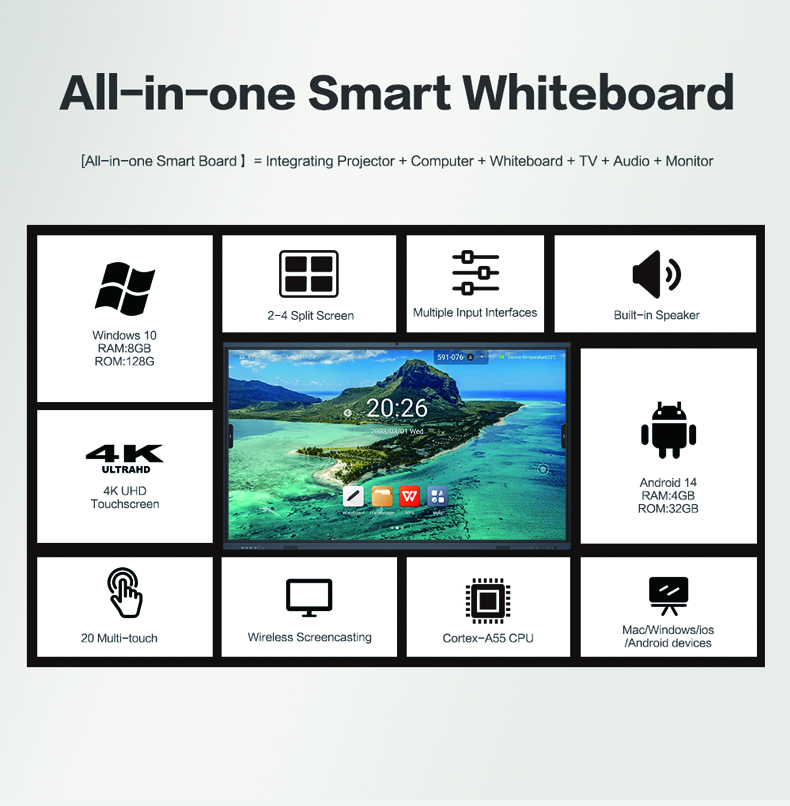
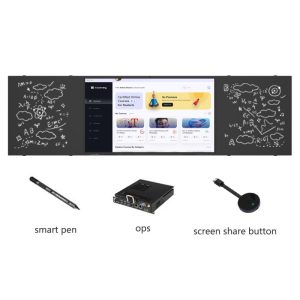
What makes this board “dual mode”? It is the combination of a physical blackboard and a 4K interactive screen. This design supports diverse teaching styles without compromise.
Seamless Surface: Teachers can use real chalk or liquid markers on the wings.
Touch Sensitivity: The central display supports multi-touch gestures for collaborative activities.
Cloud Integration: Save every handwritten note directly to Google Classroom or Microsoft Teams.
Eye Protection: Advanced AG glass reduces glare for students sitting at different angles.
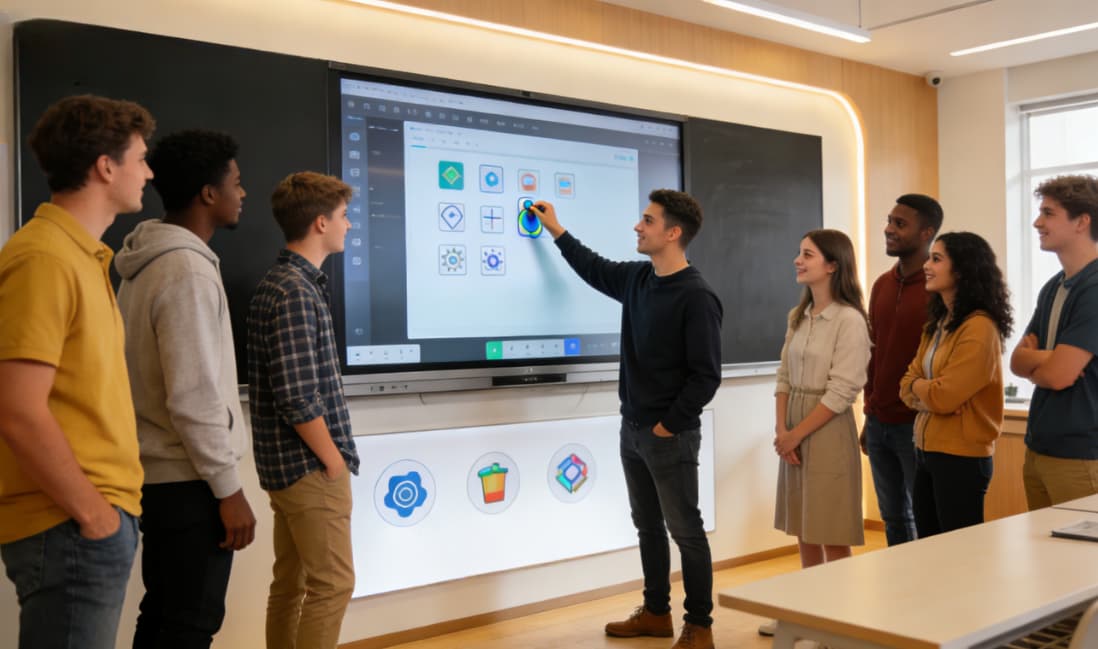
Visual literacy is crucial for the 21st-century learner. A dual mode smart teaching board allows for high-quality image manipulation. Students can interact with 3D models of molecules or historical maps. This hands-on interaction turns passive listening into active discovery.
Lev Vygotsky’s Social Constructivism emphasizes the importance of social interaction in learning. Technology should facilitate, not replace, human connection. Smart boards act as a “hub” for the Zone of Proximal Development (ZPD).
In a hybrid setup, students can solve problems on the board together. A student in the classroom writes on the physical surface. Meanwhile, a remote student adds digital notes from their tablet. The dual mode smart teaching board merges these inputs into one view. This fosters a sense of community regardless of physical location.
[Read our guide on implementing hybrid learning solutions in modern K-12 environments.]
Teachers often struggle with technical fatigue. They need tools that simplify their workflow. This smart board integrates easily with existing lesson plans.
Preparing digital assets takes time. However, this board allows for spontaneous teaching. A teacher can switch from a PowerPoint to a blank writing space instantly. This flexibility keeps the lesson flow natural and energetic.
Many smart boards include software that tracks student participation. Teachers can see who is interacting with the digital content. This data allows for personalized intervention for struggling students. It moves the classroom toward a more equitable learning model.
A major concern in education is the “digital divide.” Not every student has the latest high-speed internet. However, a dual mode smart teaching board helps equalize the experience. By recording lessons, schools provide resources for students with limited live access.
These boards often include text-to-speech and high-contrast modes. These features support students with visual or auditory impairments. Inclusive design is a core principle of modern digital pedagogy tools. The smart board ensures every child has a seat at the table.
We are moving toward fully integrated learning environments. Artificial Intelligence (AI) will soon play a larger role. Imagine a board that translates a teacher’s speech in real-time for ESL students. The dual mode smart teaching board is the foundation for these future upgrades.
While the initial investment is higher, the long-term value is clear. It replaces projectors, speakers, and multiple whiteboards. Furthermore, it reduces the need for printed materials. This makes it a sustainable choice for eco-conscious school districts.
| Feature | Traditional Blackboard | Dual Mode Smart Board |
| Media Support | Text only | Video, 3D, Web, Text |
| Collaboration | Local only | Local + Remote (Hybrid) |
| Storage | Erased/Gone | Cloud Saved / Searchable |
| Engagement | Passive | Interactive & Gamified |
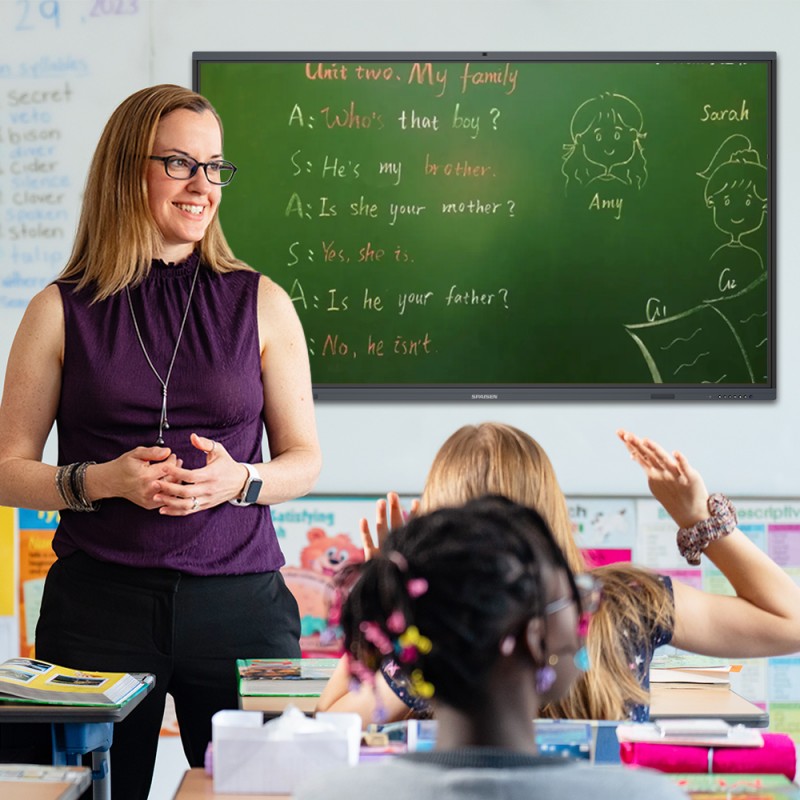
The dual mode smart teaching board is more than a gadget. It is a powerful instrument for cognitive development. By aligning with Dual Coding Theory and Social Constructivism, it enhances how students learn. It provides the flexibility needed for today’s hybrid world.
Investing in this technology means investing in student success. It empowers teachers to be more creative and efficient. Ultimately, it creates a classroom where every student can thrive. Embrace the future of education with a smarter way to teach.
[Contact our experts to find the best smart blackboard for schools in your region.]
 Hot News