
Home > Blog >
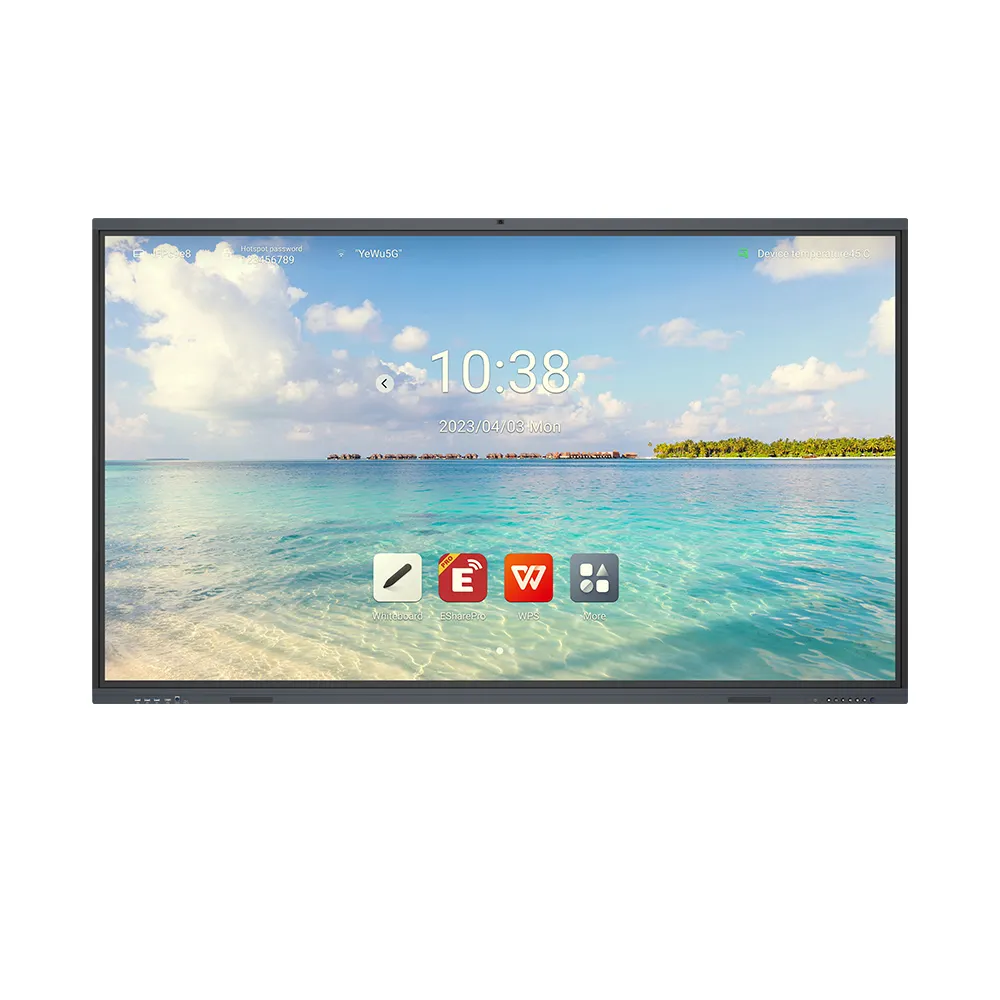
Deploying a high-performance touch panel lcd camera system remains the best way to secure interactive commercial displays completely. This single integrated hardware strategy shields public kiosks from physical tampering while tracking user engagement metrics smoothly.
Standard multi-device setups require messy external wires that compromise clean retail aesthetics and reduce system reliability. Conversely, a unified touch panel screen with a built-in camera allows for compact, tamper-proof terminal designs.
Furthermore, this combined hardware foundation drives real-time AI analytics to personalize customer experiences instantly based on demographic data. Ultimately, this seamless technical combination protects your hardware investment and elevates your brand’s interactive marketing capabilities. Now, let us analyze the typical hardware bottlenecks that make traditional multi-device public displays highly unreliable.
Every commercial network operator knows the deep frustration of component failures on remote public interactive kiosks. These expensive technical breakdowns usually happen because businesses combine disparate display, touch, and camera parts onto one frame.
Publicly accessible check-in terminals face constant physical abuse from thousands of hurried users every day. When cameras mount outside the main display chassis, their data cables remain highly vulnerable to accidental snags.
Vandals can easily disconnect or damage these exposed wires, breaking your remote security monitoring feed instantly. Therefore, hiding all image processing hardware safely behind solid protective glass sheets remains critical for commercial deployments.
Combining separate USB touch overlays with independent webcam modules often creates severe hardware driver conflicts inside computers. These software arguments trigger random blue-screen errors, forcing costly manual on-site technician reboots.
Meanwhile, your public display stands dark and useless, driving away potential retail customers and hurting ad revenue. For this reason, utilizing a factory-unified interactive smart display camera system is vital to ensure stable operations.
To solve these frustrating reliability challenges, commercial display engineers completely re-engineered interactive hardware architecture. Modern integrated panels merge infrared or capacitive touch sensors directly into the liquid crystal display cell layer itself.
Elite touch panels utilize in-cell capacitive sensors that eliminate the thick air gaps found in cheap overlay frames. This engineering breakthrough allows users to navigate complex onscreen menus with absolute fluid precision and zero touch delay.
Consequently, the display updates text blocks instantly as fingers glide across the chemically strengthened glass surface. Your customers enjoy a responsive, smartphone-like user experience that makes digital interaction feel completely natural and satisfying.
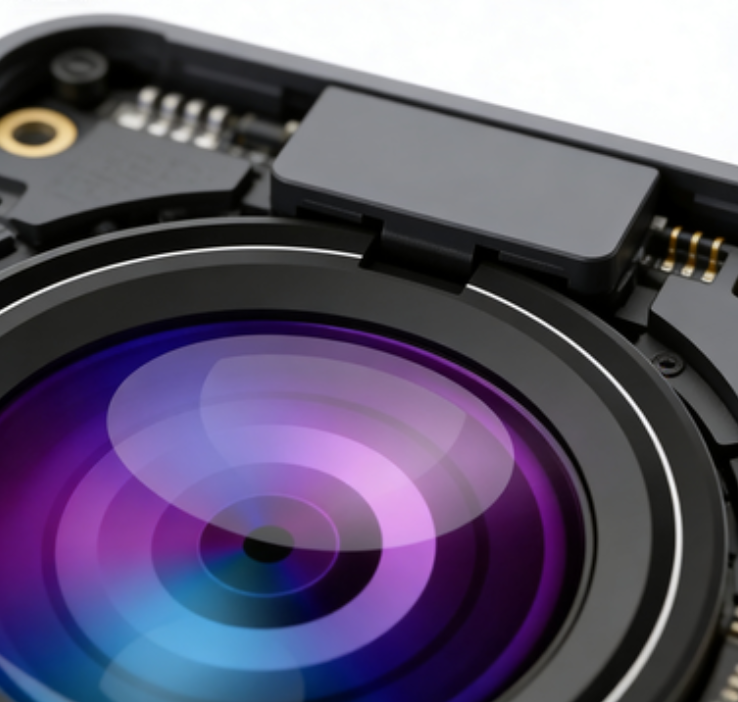
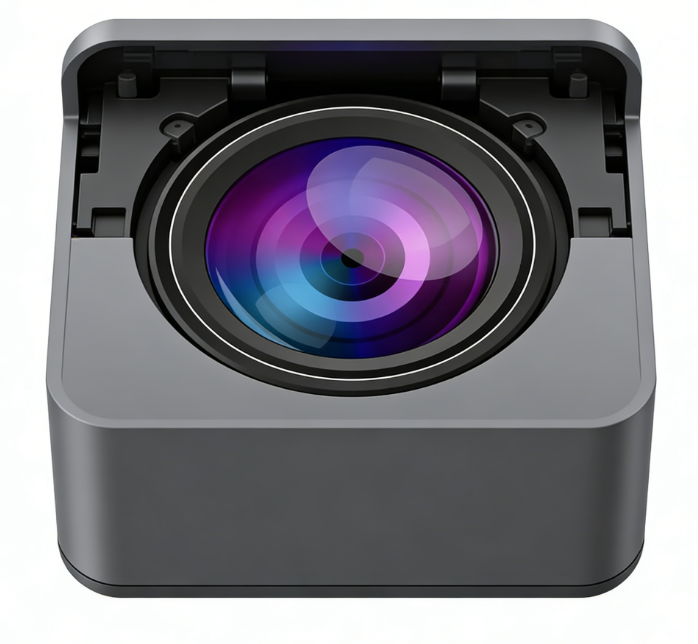
Unified display modules position a micro-camera flush inside the upper bezel layer, hiding it from plain view. This hidden camera utilizes advanced back-illuminated sensors to capture crisp, high-definition video feeds under harsh retail lighting:
Flawless Bezel Integration: Eliminates ugly external plastic mounts to deliver a clean, modern aesthetic look.
Wide-Angle Optical Lenses: Capture full spatial views of kiosk surroundings to enhance local physical security.
Low-Light Image Sensors: Maintain clear video contrast inside dimly lit corporate lobbies or nighttime transport hubs.
Direct Internal Bus Links: Transmit uncompressed video data straight to core processors without relying on weak USB hubs.
| Smart Display Metric | Multi-Component Hardware Setups | Integrated Touch Panel LCD Camera |
| Physical Vandalism Resistance | Low (Exposed external wires snap easily) | Maximum (All components sit behind glass) |
| Driver Software Stability | Poor (Prone to frequent device conflicts) | Perfect (Single unified internal chipset) |
| Physical Chassis Profile Depth | Thick (Requires bulky mounting brackets) | Ultra-Thin (Allows sleek wall-mounted cases) |
| AI Biometric Processing Power | Laggy (Data travels over slow external buses) | Real-Time (Direct link maximizes bandwidth) |
| Long-Term Field Reliability | Variable (Multiple points of potential failure) | Exceptional (Built for continuous 24/7 use) |
Integrating a secure touch screening module into your commercial retail ecosystem yields massive financial returns over time. This hardware upgrade alters how your corporate team tracks field asset performance and manages public user engagement.
Modern digital signage networks must do more than just display static video loops to passing mall shoppers blindly. The hidden camera sensor scans faces anonymously to determine the age and gender of active display viewers.
This immediate analytical data prompts the screen to swap displayed ads instantly, matching the current viewer’s profile. This smart target marketing increases your total terminal sales conversion rates while lowering overall campaign waist.
Managing thousands of separate retail screens across different cities strains your IT support team’s travel budget. Because integrated panels eliminate external cable loops, they remove the root cause of most hardware failures entirely.
Your field systems run cold and stable for years without requiring emergency parts replacements or physical checkups. This extreme dependability saves your enterprise thousands of dollars in regional technician dispatch fees every quarter.
Achieving consistent sub-meter accuracy requires supplying your smart hardware grids with clean, stable power distribution networks. You must audit your local kiosk enclosure setups thoroughly before launching high-volume interactive ad campaigns.
Deploy Grounded Power Lines: Protect sensitive capacitive touch sensors from ambient electromagnetic hum.
Ensure Adequate Enclosure Venting: Cool internal LCD panels to prevent thermal color fading over time.
Install Shielded Ethernet Feeds: Stream high-definition security video back to main servers without packet loss.
Set Optimal Camera Angles: Mount the screen at heights that capture kid and adult faces clearly.
Following this simple field installation checklist ensures your interactive systems perform flawlessly during peak shopping hours. It builds a completely dependable equipment foundation that easily survives demanding commercial public environments.
Professional integrated panels feature plug-and-play USB human interface device controllers that function without custom drivers. These smart screens work seamlessly out of the box with Windows, Linux, and Android Enterprise platforms. This broad compatibility allows your software team to deploy existing kiosk applications without rewriting code lines.
The integrated camera modules process all facial feature mapping locally on edge chips without storing personal images. The system converts video feeds into anonymous numeric data strings, deleting the raw video files instantly. This secure edge computing method protects user privacy fully while satisfying tough international data safety laws.
Standard capacitive screens require direct bare skin contact to register electrical finger charges accurately on glass. However, commercial-grade display modules allow technicians to boost sensor sensitivity levels through internal firmware tuning adjustments. This advanced setting enables smooth touch tracking even through thin winter gloves or protective plastic styluses.
Optical bonding fills the internal air gap between the LCD cell and protective outer glass with glue. This process eliminates internal light reflections completely, making the screen highly readable under bright afternoon sunlight. Furthermore, it prevents internal condensation moisture from blurring the camera lens during humid weather shifts.
Relying on separate clunky display components leaves your public interactive network vulnerable to frequent component failures. You cannot expect to dominate the modern digital signage market by using fragile external webcam wires. Upgrading your commercial estate to utilize a premium touch panel lcd camera architecture redefines your customer engagement quality. It blends advanced touch sensor physics with hidden camera arrays to protect your hardware from public damage.
Stop letting broken camera wires and frozen device drivers disrupt your interactive marketing milestones this business season. Invest in field-proven, integrated touch assets that stabilize your remote system diagnostics and deliver dependable customer metrics. Your IT staff will appreciate the driver stability, and your marketing team will love the rich consumer data. Upgrade your public terminal grid today to lock in total operational dominance over your digital footprint.
 Hot News