
Home > Blog >
Choosing a reliable smart blackboard OEM manufacturer helps education brands develop products for different teaching environments. A capable supplier should support customization, stable production, and practical software integration. Moreover, it should understand classroom workflows and regional market requirements. The right partner can help distributors, project integrators, and education suppliers build a consistent product portfolio.
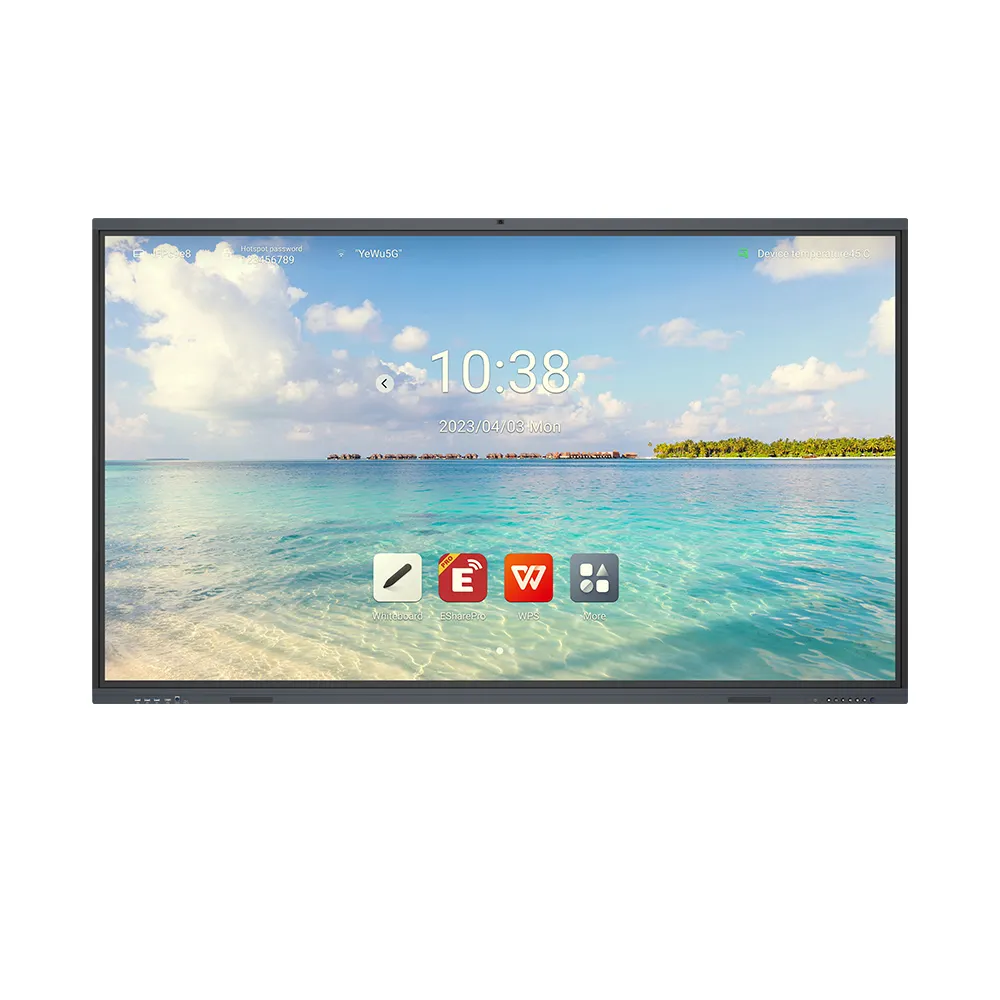
For example, an 86-inch Smart Nano Push-Pull Teaching Interactive All-In-One Dual-Screen Interconnected Memory Multimedia Blackboard combines traditional writing functions with digital teaching tools. Therefore, buyers should evaluate both its classroom usability and the manufacturer’s OEM capabilities.
Schools have different teaching methods, classroom layouts, and procurement requirements. Consequently, one standard configuration may not suit every project. Some institutions prioritize handwriting, while others need multimedia presentations and collaborative lessons.
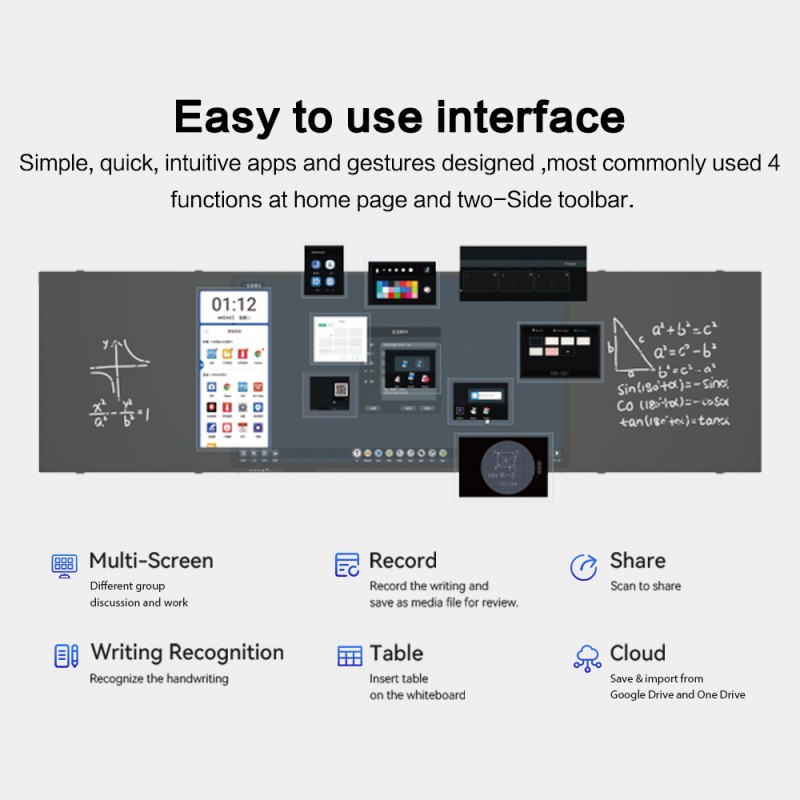
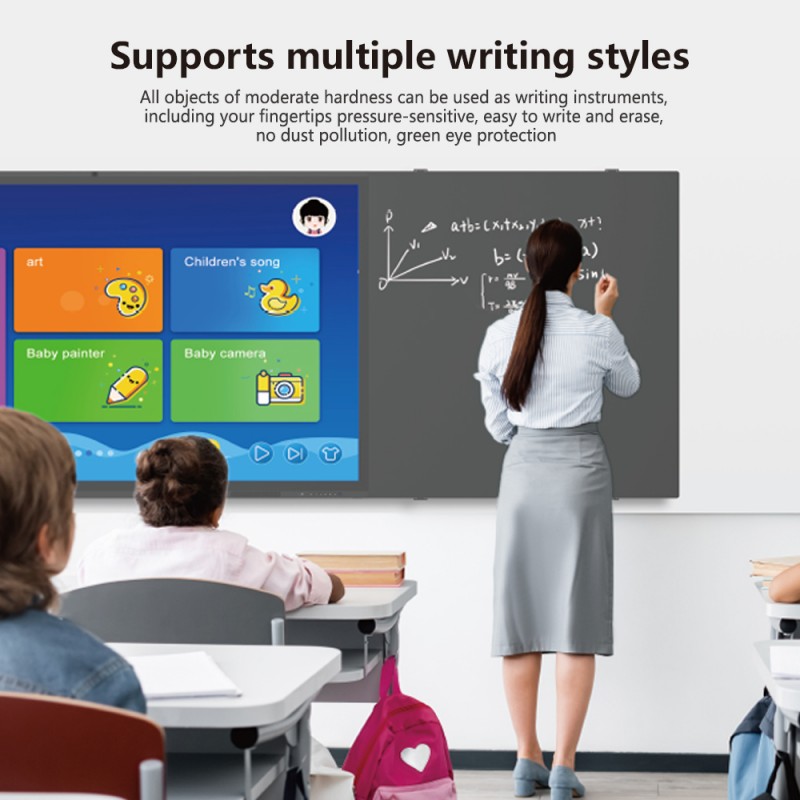
A smart blackboard should support familiar teaching workflows alongside digital interaction. The Nano Smart Blackboard combines traditional chalkboard functions with a 4K touchscreen display. Furthermore, teachers can switch between handwritten notes and multimedia content during lessons.
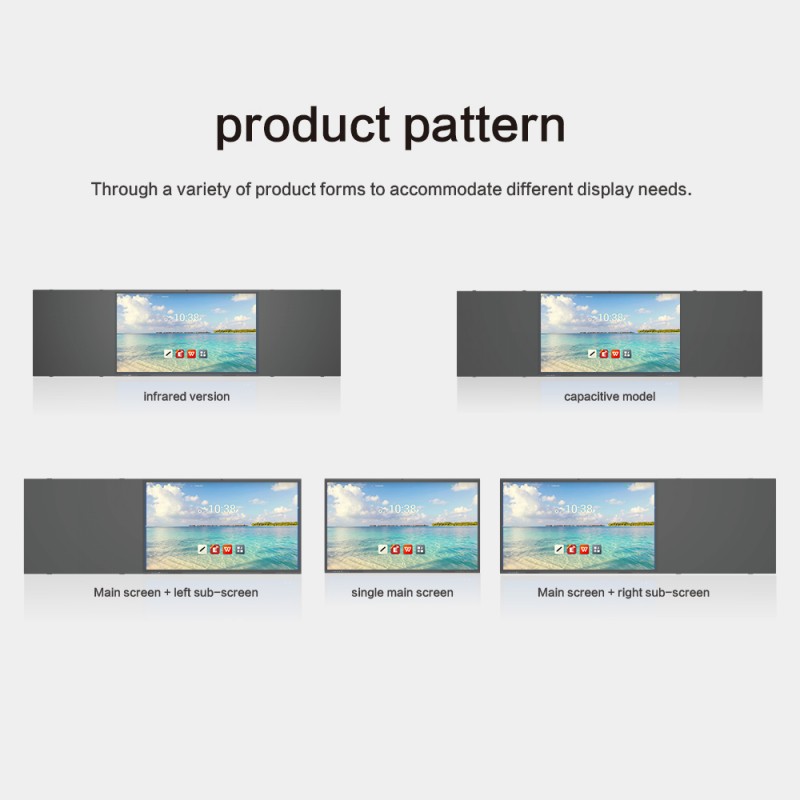
An experienced smart blackboard OEM manufacturer should discuss display size, system configuration, connectivity, and installation requirements before production. For example, an 86-inch model may suit larger classrooms where students need clear visibility.
However, buyers should confirm viewing distance, mounting arrangements, and available interfaces. These details help align the final configuration with the actual teaching environment.
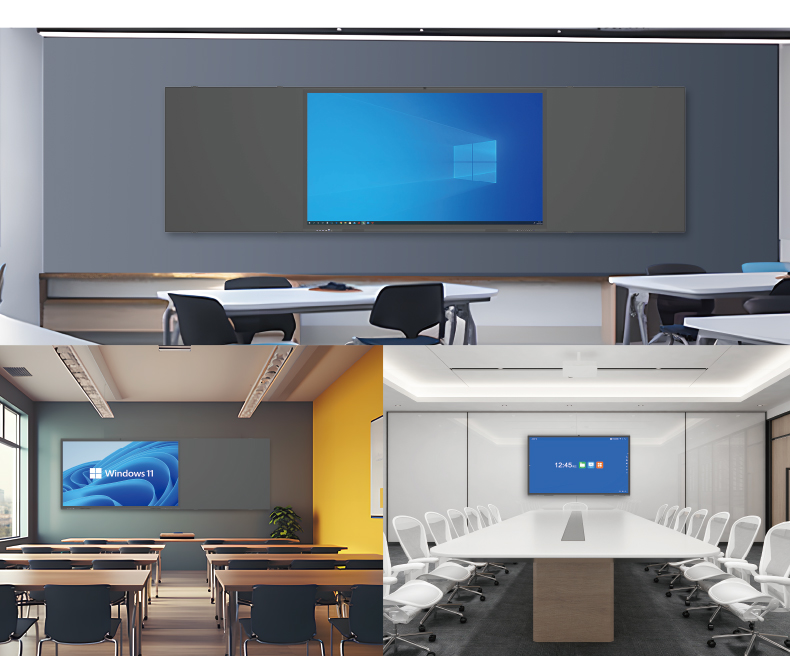
Distributors often serve markets with different languages and software preferences. Therefore, branding alone may not provide enough differentiation. Buyers should check whether the supplier supports interface localization and system-level customization.
QDE offers OEM, ODM, SKD, and CKD services for interactive displays. These options support different cooperation models, from finished products to selected assembly arrangements. In addition, customization can include brand logos, packaging, hardware configurations, and software language localization.
A suitable OEM partner should clarify which changes require engineering work. For example, Spanish, Arabic, and Indonesian interfaces may require different localization checks. Likewise, customized packaging should reflect local distribution and handling requirements.
Before placing an order, buyers should confirm minimum order quantities, sample approval procedures, production lead times, and software update arrangements. This approach reduces uncertainty during product launches.
Explore our smart blackboard and interactive display products to review options for different education projects.
Classrooms increasingly combine handwriting, multimedia resources, and student participation. However, teachers need simple transitions between these activities. Complicated workflows can interrupt lessons and increase training requirements.
The Nano Smart Blackboard supports digital handwriting, touchscreen interaction, and multimedia playback. Moreover, its wireless screen-mirroring capability helps teachers share content from compatible laptops, tablets, and smartphones.
The hybrid design combines traditional blackboard functions with digital presentation tools. As a result, teachers can explain concepts through handwriting and then introduce videos or digital learning materials.
The display also uses anti-glare glass and reduced-blue-light technology. These features may improve viewing comfort during extended classroom sessions. Nevertheless, actual comfort depends on lighting, viewing distance, brightness settings, and individual needs.
Buyers should test screen mirroring across their target devices. In addition, they should verify operating-system compatibility and network requirements before finalizing specifications.
A competitive quotation should explain more than the display’s purchase price. Buyers also need evidence of manufacturing consistency, product reliability, and applicable regulatory compliance. Therefore, request documentation before approving a production order.
The following comparison highlights useful evaluation points. Actual specifications and certification status should be confirmed with the supplier.
|
Evaluation Item |
What Buyers Should Check |
Relevance |
|---|---|---|
|
Display resolution |
4K resolution |
Supports detailed text and teaching visuals |
|
Touch functionality |
Multi-touch capability |
Supports interactive lessons |
|
Writing modes |
Traditional writing and digital input |
Accommodates different teaching methods |
|
Display surface |
Anti-glare glass |
Helps manage classroom reflections |
|
Operating systems |
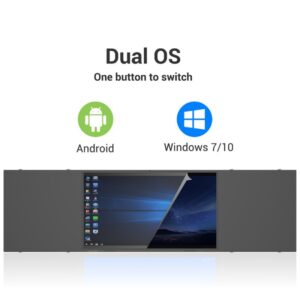
Android and Windows support |
Supports different teaching applications |
|
Connectivity |
Wireless screen mirroring |
Enables compatible device sharing |
|
Customization |
OEM, ODM, SKD, and CKD options |
Supports different business models |
|
Quality management |
Inspection procedures and test records |
Helps assess production consistency |
|
Certifications |
Applicable market-specific certificates |
Supports procurement and regulatory checks |
Request a sample unit and assess writing accuracy, touch responsiveness, interface usability, and wireless connectivity. Meanwhile, review the supplier’s inspection process and after-sales arrangements.
Also, confirm which certifications apply to the exact model and destination market. Do not assume that a feature description establishes certification. Instead, request valid documents and verify their scope.
Read our interactive display technical guide for further guidance on product selection, integration, and deployment planning.
A dependable smart blackboard OEM manufacturer should support more than initial delivery. Product updates, spare parts, technical documentation, and warranty handling can affect long-term customer satisfaction.
For distributors, consistent branding and localized interfaces also help establish a recognizable product range. Meanwhile, project integrators may prioritize installation support and compatibility with existing classroom equipment.
QDE supports customization for education, corporate, and government projects. Buyers should discuss project requirements early and agree on clear specifications, acceptance criteria, and delivery schedules. Consequently, both parties can manage production expectations more effectively.
Q: What should buyers prioritize when choosing a smart blackboard OEM manufacturer?
A: Prioritize customization capability, product quality, software compatibility, compliance documentation, and after-sales support. Also, confirm production capacity and communication procedures.
Q: Can QDE customize smart blackboards for different markets?
A: QDE offers OEM, ODM, SKD, and CKD services. Available customization options include hardware configurations, branding, packaging, and software localization. Confirm specific requirements with the team.
Q: Is an 86-inch smart blackboard suitable for every classroom?
A: Not necessarily. Suitability depends on room dimensions, viewing distance, installation conditions, and teaching activities. Buyers should evaluate the classroom before selecting a display size.
Q: What documents should buyers request before ordering?
A: Request detailed specifications, sample evaluation records, applicable certificates, warranty terms, and quality inspection procedures. Additionally, confirm delivery schedules and spare-parts availability before approving mass production.
 Hot News